
What “Seasonal Elevation” Means on a Pasta Plate
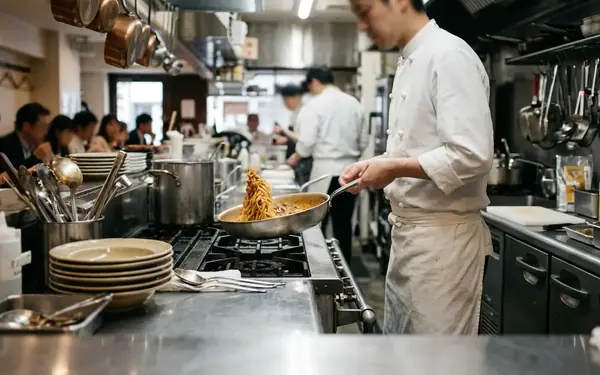
The lunch service window from 11:30 AM to 2:00 PM demands a specific rhythm. Seasonal elevation introduces one peak-fresh Japanese produce item into a classic Italian pasta structure. The goal is making aroma, acidity, or texture the focal point of the dish.
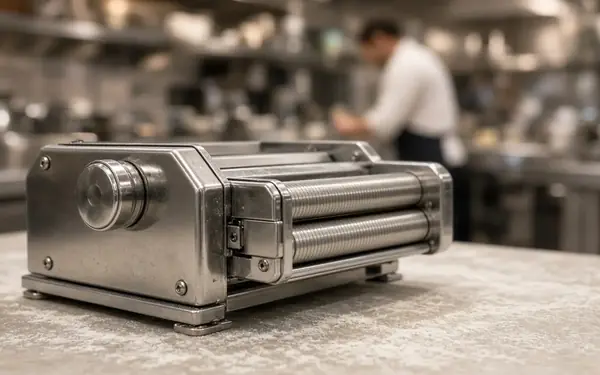
Drawing on early menu development records, the kitchen initially tested replacing traditional Italian finishing fats with local seed oils. That approach masked the foundational ragù. The kitchen discarded the alternative and committed to keeping Italian dough, sauce bases, and finishing fats strictly foundational. The Japanese ingredient acts as a seasonal accent.
Why Tokyo’s Market Calendar Reshapes Italian Pasta
Micro-seasonal produce in Japan operates on peak harvest windows of something like 14 to 18 days. This rapid turnover pushes a trattoria to rotate lunch pastas constantly. Fixed regional menus work well in Italy. A Tokyo kitchen buys morning produce and adjusts sauce weight, cut size, and garnish the same day.
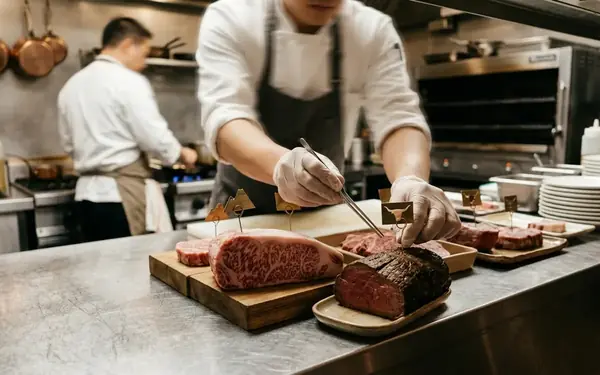
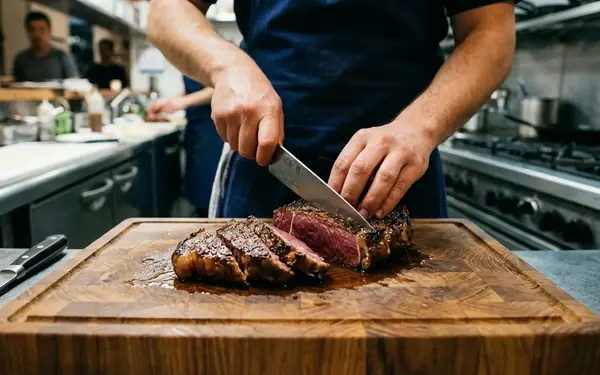
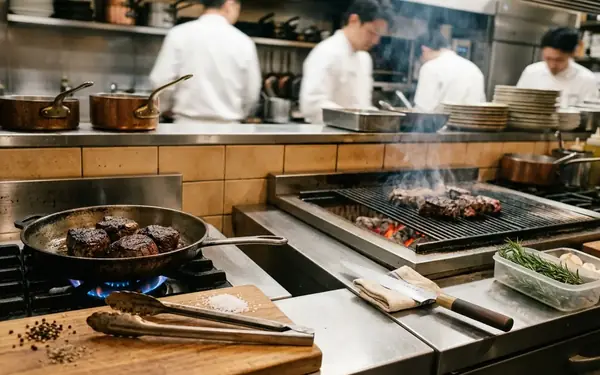
Gran Bocca relies on a meat-centric base. Ragù, guanciale, and grilled cuts provide the canvas—a rich foundation that seasonal produce must complement.
The 7 Seasonal Japanese Ingredients on Our Pasta Line
Seven specific ingredients cycle through the pasta line as the weather shifts.
- Sansho: Bright, citrus-tinged peppercorns and young leaves finish rich meat sauces. The intensity of sansho peppercorns varies drastically depending on whether they are harvested in early May versus late June, requiring the kitchen to adjust crushing pressure accordingly.
- Yuzu: Zest and juice cut through cream or butter emulsions. The kitchen applies it sparingly so the pasta still reads Italian.
- Shimeji mushrooms: Clustered caps are seared hard for 45 to 60 seconds to build nutty depth in oil-based or light ragù pastas. In blind taste tests, failing to trim the fibrous lower 3 centimeters of shimeji stems resulted in uneven cooking and a woody texture in delicate oil-based sauces.
- Myoga: The prep team evaluated multiple knife cuts for the ginger buds, ultimately deciding on a strict julienne of 1.5 to 2 millimeters. This specific cut provides the optimal texture and clean heat without overpowering slow-cooked meats.
Takenoko, nanohana, and shiso round out the rotation, stepping in as the primary accents during their respective harvest peaks.
Pairing Rules That Keep the Plate Italian
Discipline keeps the menu grounded. The kitchen allows exactly one hero Japanese ingredient per pasta. Any secondary garnish must share the same flavor family. Fat and salt derive entirely from Italian technique.
Rendering guanciale for approximately 8 to 11 minutes builds the fat base. Daily variations in ambient kitchen humidity require slight adjustments to the rendering process. Parmigiano and quality olive oil complete the profile.
Matching intensity ensures balance. Delicate yuzu and shiso pair with lighter lunch portions. Sansho and mushrooms stand up to meat-forward bowls.
Heat Degradation Risks
Delicate aromatics like yuzu zest lose their volatile oils when exposed to sustained heat exceeding somewhere around 85 degrees Celsius, requiring application strictly at the pass.
How the Daily Lunch Pasta Rotation Actually Works
The daily board takes shape early. A morning market inspection from 6:30 AM to 7:15 AM guarantees the menu reflects the freshest arrivals. The chef assesses the water content and firmness of the delivered produce, deciding which of the seven ingredients can hold up to that day's service.
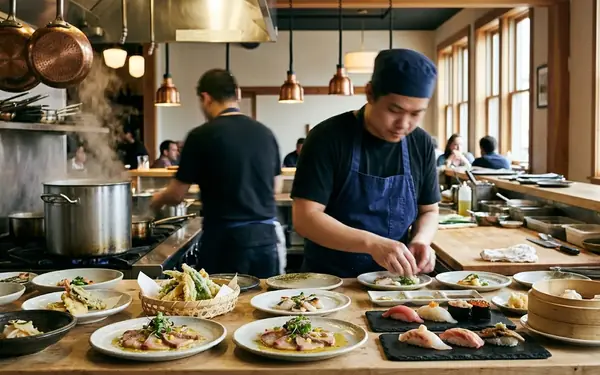
Sauce base preparation begins at 9:00 AM. The team builds bases capable of accepting the seasonal accent without requiring a full rework. Board language stays plain. Diners read the ingredient name, pasta shape, and protein. This clarity highlights exactly what changed from the previous visit.
How to Order When You Want the Seasonal Accent
Prioritize the lunch pasta that names a single Japanese produce item in the title. Spring menus lean heavily toward takenoko and nanohana. Warmer months favor shiso and myoga. Cooler months bring mushrooms and sansho to the forefront.
The lunch board cycles every 3 to 5 days based on ingredient peak.
The Value Of Return Visits
Seasonality drives the lunch experience. The same pasta shape will taste completely different six weeks later.
The Plate Worth Building a Lunch Habit Around
Choose the meat-forward lunch pasta finished with whichever of these seven ingredients is truly in season that week. Sansho on ragù or hard-seared shimeji on oil-based strands easily beat any static signature dish that ignores the market. The distinctive value of this menu is disciplined Italian structure combined with one honest Japanese peak ingredient. Track a single ingredient's flavor evolution over a 4 to 6 week period to experience the full spectrum of the harvest.