Elevating Beef to the Center of the Tokyo Table
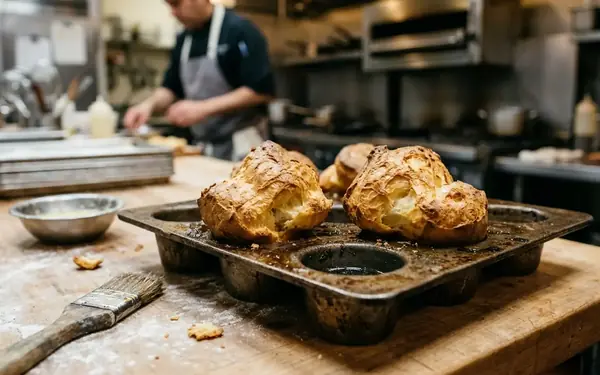
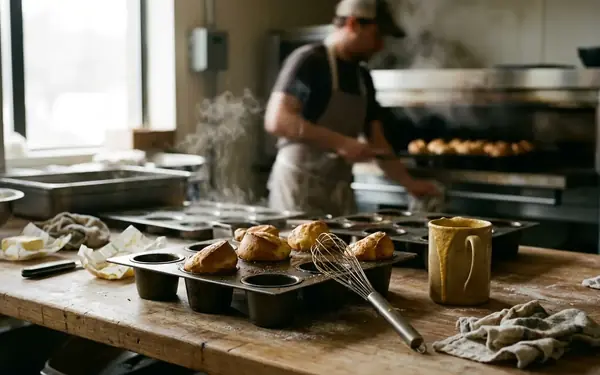
At Gran Bocca's Iidabashi location, the popover tradition sets the initial rhythm of the meal. Fresh bread arrives continuously, establishing a relaxed pace. This deliberate pacing creates the right setting for a substantial meat course. Italian kitchens in Tokyo elevated carved roast beef and A5 wagyu to the center of the table. These cuts previously played a supporting role alongside pasta & lunches.
The culinary team adapted Italian roasting, resting, and finishing habits to Japanese beef. They bypassed standard steakhouse service entirely. The team initially tested a traditional bistecca alla fiorentina approach using thick-cut domestic steaks. They discarded this model after observing that the intense marbling of Japanese beef caused the fat to congeal unpleasantly during the long resting period required for massive bone-in cuts. They pivoted to slow-roasted joints and quick-seared A5 portions to better manage the thermal properties of the meat.
The house language centers entirely on roast beef and A5 wagyu. Diners looking for a sprawling grill list will need to look elsewhere. The kitchen focuses its energy on perfecting these two specific expressions of beef.
Managing Two Distinct Meat Experiences on One Menu
Both plates present as luxury beef. They demand opposite bites, temperatures, and pacing. Roast beef serves as a shared, slice-by-slice course built for herbs, juices, and a longer table rhythm. The kitchen slices the roast beef at something like 1.5 to 2.2 millimeters thick to maximize surface area for herb integration. This thin cut allows the meat to absorb the ambient flavors of the dining room and the accompanying side dishes.
A5 wagyu operates as a short, intense course—a fleeting peak that demands immediate attention. Its fat and crust collapse rapidly. Drawing on a review of signature meats records, A5 wagyu fat begins to lose its glossy, fluid mouthfeel within 3 to 4 minutes of leaving the hot pan.
The kitchen separates the pacing of the two dishes by treating roast beef as a continuous, evolving table presence and A5 wagyu as a concentrated course. This separation ensures that neither cut compromises the other. The table can enjoy the slow evolution of the roast while anticipating the sudden, rich impact of the wagyu.
Reading the Grain and Marbling at the Pass
During the daily pass inspection, chefs trace the grain direction with a thumb and evaluate fat vein thickness. This tactile assessment routes the muscle block to either the slow-roasting oven or the high-heat sauté station. For the roasting program, the team selects intact muscle blocks weighing approximately 2.4 to 2.8 kilograms. These larger pieces can withstand the prolonged exposure to low heat.
For optimal pan-searing, they visually identify fat veins measuring under 1.5 millimeters in width. Fine marbling ensures an even melt during a rapid sear. Cuts presenting an irregular, intersecting muscle grain or exceeding 45 millimeters in thickness are automatically refused for the high-heat pan station. The unpredictable contraction during a rapid sear prevents the formation of an even Italian crust.
The kitchen relies on these strict physical parameters to guarantee the final texture. Excellent marbling alone cannot save a piece of meat if the grain or thickness resists a clean Italian slice or sear.
The Mechanics of an Italian Roast: Crust, Rest, and Carve
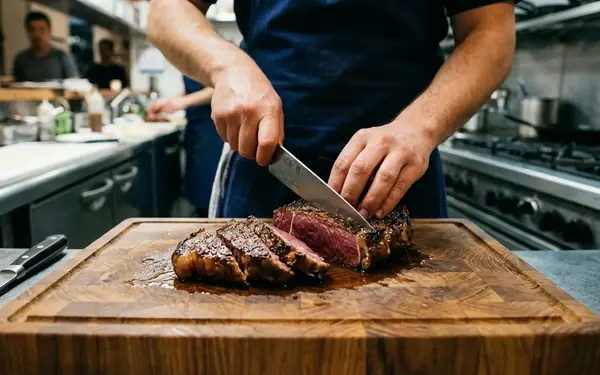
The roasting sequence builds around pressing coarse salt and rosemary into the exterior. The meat enters a low-temperature bake, with oven temperatures maintained between 110 and 115 degrees Celsius. A strict resting phase follows. The kitchen mandates resting periods of 45 to 55 minutes before any carving begins.
Protecting the Italian Herb-Crust Resting Window
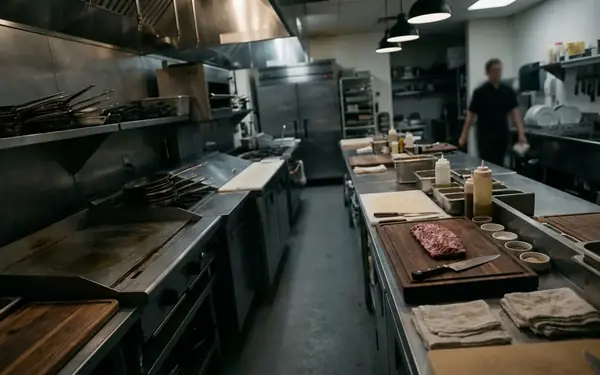
The ambient temperature of the dining room plays a crucial role in the final presentation. The meat rests on a wooden board at an ambient kitchen temperature of 22 to 24 degrees Celsius. This lets internal juices redistribute evenly across the muscle fibers before the blade touches the meat.
Carving yields 12 to 15 thin slices per standard sharing board to maintain the meat-to-crust ratio. The eating cues are distinct. Diners look for a pink center, a seasoned crust, and juices pooling on the board. The bite retains its beefy structure.
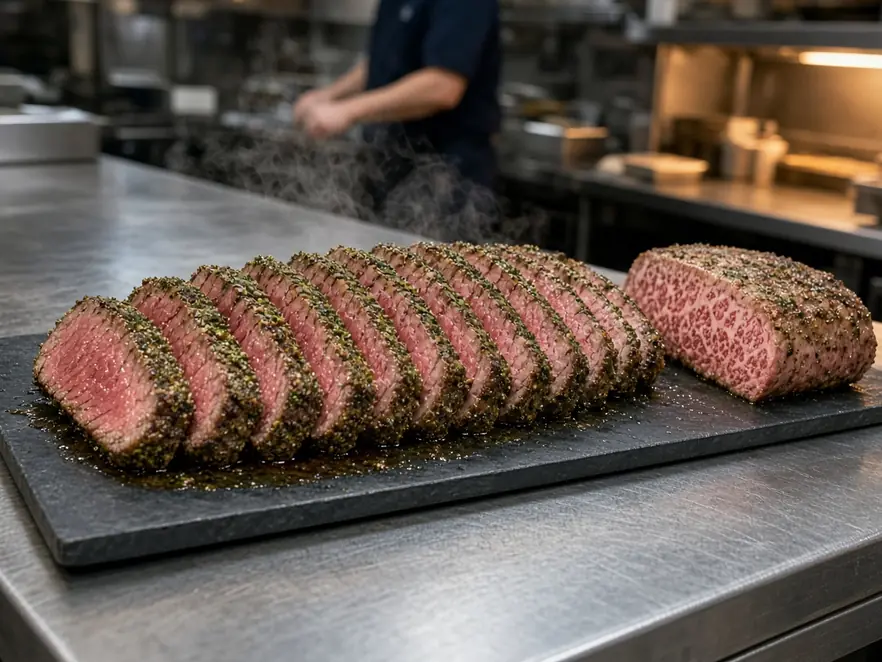
The slow roast and extended rest create a texture that encourages conversation and lingering over the plate. The meat remains appetizing even as it cools slightly over the course of the meal.
Applying High Heat and Restraint to A5 Wagyu
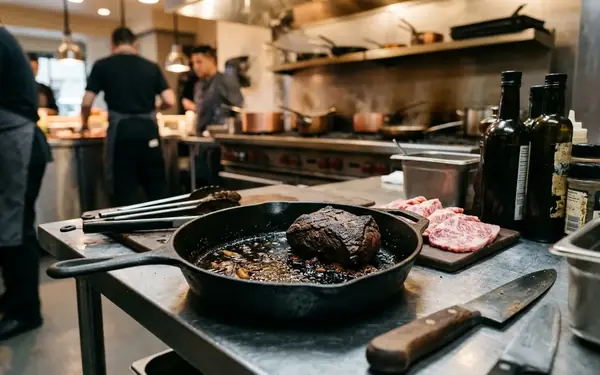
A5 wagyu requires high heat and a brief stay in the pan. The initial pan-searing temperature is calibrated to 220 to 230 degrees Celsius. Searing duration is strictly limited to 45 to 60 seconds per side. This prevents the interior fat from melting away entirely.
The team deliberately abandoned heavy reduction sauces in favor of a simple olive oil and cracked pepper finish. Heavy sauces mask the delicate flavor of the beef. The simple Italian seasoning ensures the rich, rendered fat of the A5 wagyu remains the primary flavor profile on the palate.
A5 wagyu provides a few rich bites. It dulls quickly if it sits on the table. The kitchen times the delivery of this course to coincide exactly with a pause in the conversation. Diners must consume the wagyu immediately to experience the intended contrast between the crisp exterior and the melting interior.
Structuring Your Meat Order for the Table
Front-of-house staff guide orders by assessing the table's dining timeline. They consistently recommend that diners start with the communal, herb-driven roast before transitioning to the richer, individually portioned wagyu to prevent palate fatigue. A shared roast beef starting portion runs 200 to 250 grams for a table of four. A subsequent A5 wagyu tasting is limited to 80 to 100 grams per person to maintain the bite's luxury impact.
Returning diners often split the two across a meal to experience different textures. While these portion guidelines represent a reliable baseline for most tables, individual appetite and the inclusion of heavy pasta courses will naturally shift the ideal ordering ratio. The staff at sister restaurants follow similar pacing strategies to manage the flow of rich meats.
A well-structured order balances the sustained enjoyment of the roast with the intense, concentrated richness of the wagyu. Planning the sequence early allows the kitchen to execute both cuts flawlessly.
Defining the Trajectory of Your Evening
The final table-side consultation requires the server to ask the diner to choose between a prolonged, herb-driven eating experience or a brief, high-intensity fat rendering. This choice immediately locks in the kitchen's thermal timing for the rest of the evening.
Submitting the roast beef ticket happens 40 to 50 minutes prior to the desired carving time. The A5 wagyu course demands a narrow 5 to 7 minute execution window from ticket to table. The kitchen orchestrates the entire meal around these two distinct timelines. The success of the dinner depends entirely on aligning the table's expectations with the physical realities of the meat.
Will you anchor your evening with the slow, communal rhythm of a carved roast, or surrender to the fleeting, high-heat intensity of A5 wagyu?