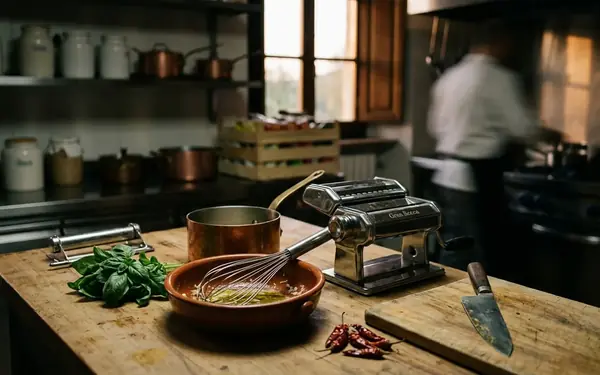
We initially considered tracking evening dining trends to illustrate neighborhood changes across Iidabashi. Reviewing our midday ticket logs revealed a much sharper, more immediate shift in how locals approach the midday meal.
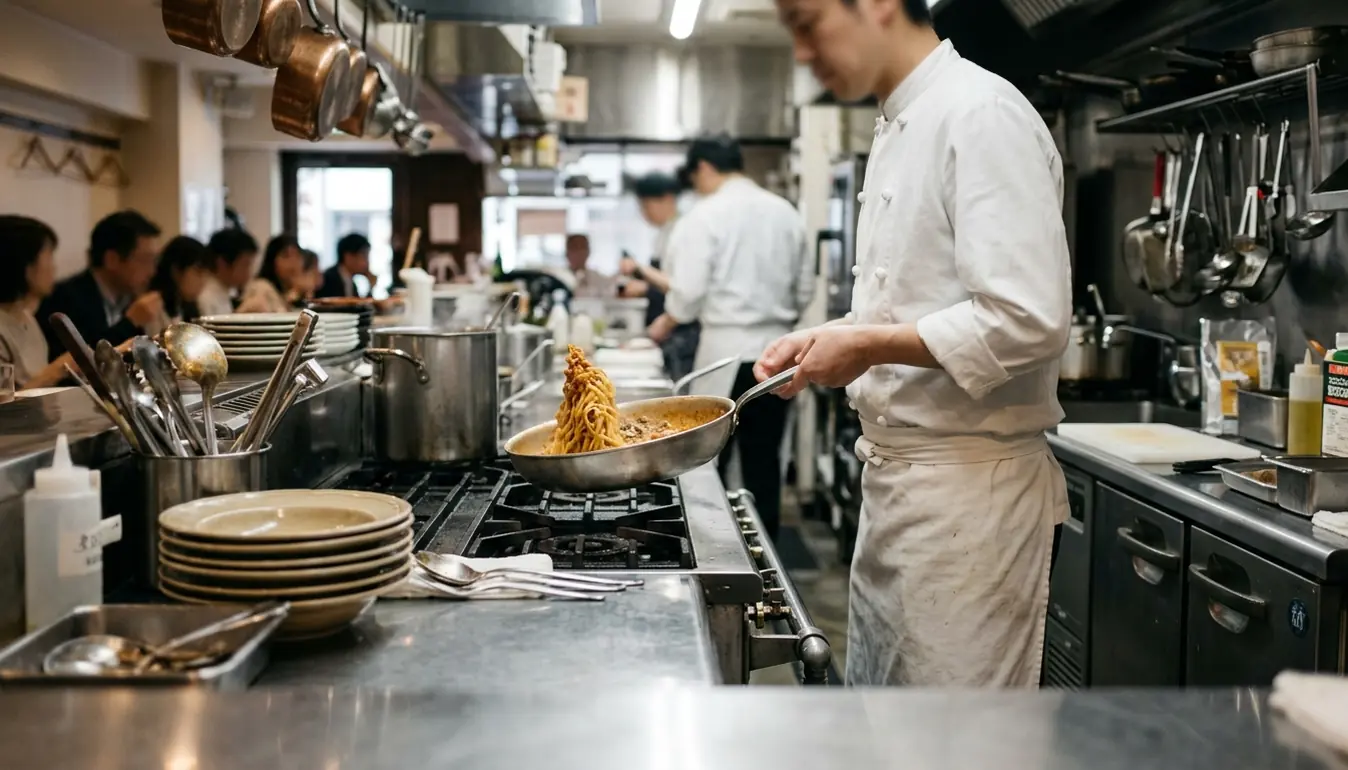
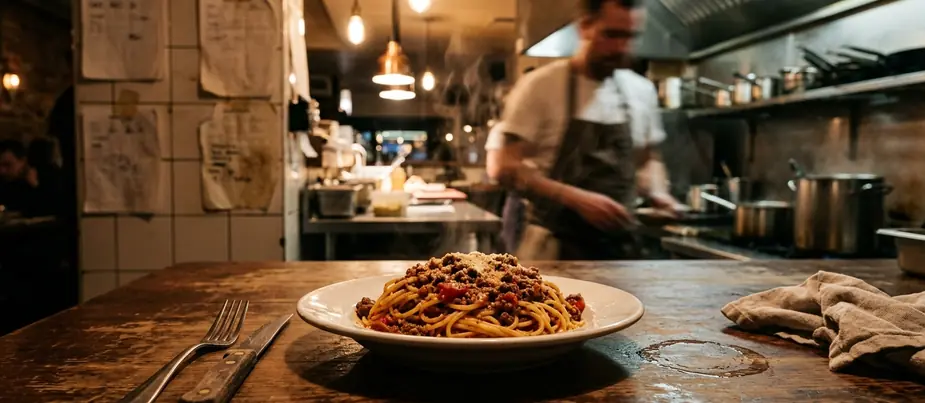
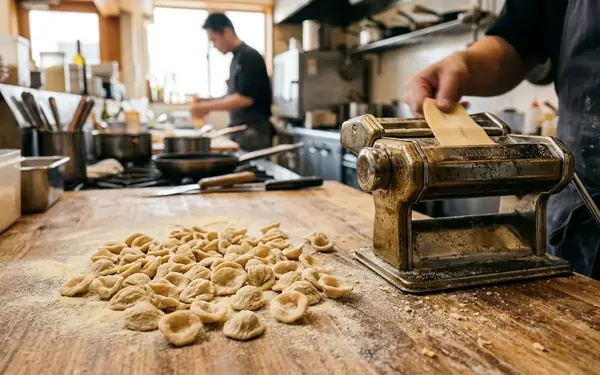
The data from the 11:30 AM to 1:15 PM rush shows a stark transition from 45-minute dining windows to 28-to-32-minute rapid services. Attempting to serve traditional three-course Italian lunches during the weekday rush resulted in half-eaten plates and stressed diners. The neighborhood demanded adaptation. A dense, meat-heavy ragu served over fresh pappardelle became the solution, delivering the caloric density of a full meal within a compressed timeframe.
Key Takeaway: The ratio of pasta to meat sauce must be adjusted depending on whether the dish is served as a quick standalone lunch or part of a leisurely weekend tasting.
Criteria for Selection
Memory is a notoriously poor archivist in the restaurant industry. To establish a reliable historical timeline, we cross-referenced archived supplier invoices spanning 1994 through 2019 with daily prep sheets. We filtered out short-term seasonal anomalies to isolate permanent menu shifts.
A dish had to meet a minimum threshold of 18 consecutive months on the daily board to qualify as a structural change in our service model. Caveat: these historical criteria exclude limited-run holiday specials, which often skew toward experimental rather than enduring neighborhood preferences. This strict methodology anchors our understanding of Gran Bocca's meat-centric heritage, proving that the shift toward robust, single-bowl lunches was a calculated response to Tokyo diner preferences rather than a drift away from authenticity.
Five Defining Stages of Change
The evolution of the midday pasta service did not happen overnight. It unfolded through distinct operational phases, each driven by ingredient availability and kitchen pacing.
The Shift to Domestic Proteins
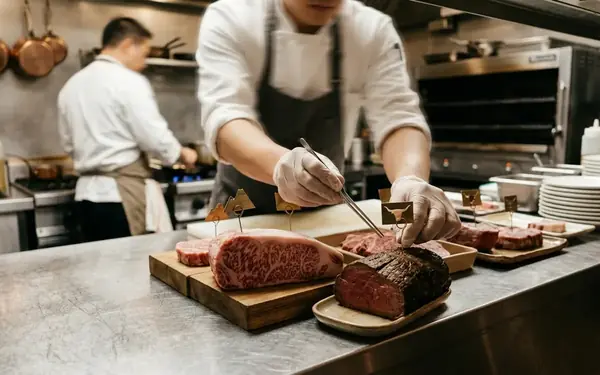
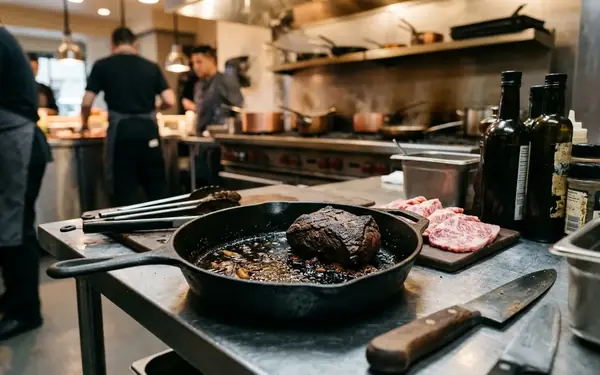
Tracing the integration of local wagyu required mapping the transition from imported pancetta to domestic beef offal. This was a sourcing decision driven by the need for supply chain reliability during early winter months. Relying on imported cured meats left the lunch service vulnerable to shipping delays. Moving to domestic beef allowed the kitchen to maintain a consistent, high-volume output.
Adapting the Braise
The kitchen adapted its technique to match the new proteins. Simmering times extended from a standard 2 hours to a roughly 4-to-5-hour slow braise. We see this specifically when incorporating cuts like tripe and beef tendon sourced strictly between October and March. The longer cooking time breaks down the tough connective tissues, yielding a sauce that coats the pasta aggressively—a necessity for diners eating quickly.
Phase 1: Early import reliance with classic, lighter preparations.
Phase 2: Introduction of domestic beef offal for supply stability.
Phase 3: Extension of braising times to accommodate tougher, flavorful cuts.
Phase 4: Seasonal vegetable pairings emerging to cut the richness of the wagyu fat.
Phase 5: The modern rapid-service bowl, optimized for a 30-minute table turn.
What Remains on the Plate
Finalizing today's lunch recommendations involved tasting the current ragu against our oldest surviving recipe cards. We needed to ensure the foundational meat-forward profile remained intact despite modern plating demands.
Those handwritten recipe cards dated 1998 dictate holding the finished sauce at exactly 68 to 72 degrees Celsius during active service. This temperature control ensures the fat binds correctly with the starch water during the final toss. It is a technical detail that separates a cohesive pasta dish from a broken, greasy sauce.
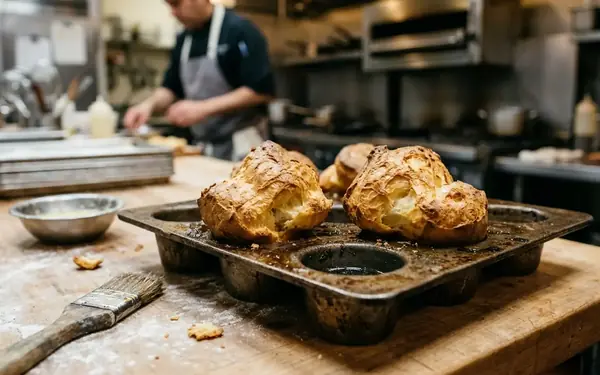
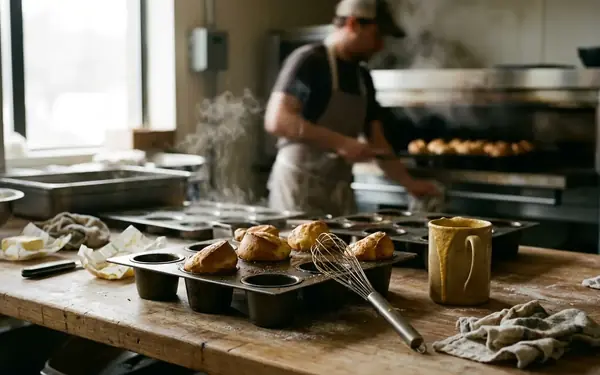
Pro Tip: When ordering the wagyu ragu during the peak somewhere around 12:15 PM rush, ask for a side of our house popovers. The bread refill cadence is timed perfectly to arrive just as you finish the pasta, allowing you to clear the remaining sauce from the bowl without extending your dining window.