What an Unlimited Popover Actually Is at This Table
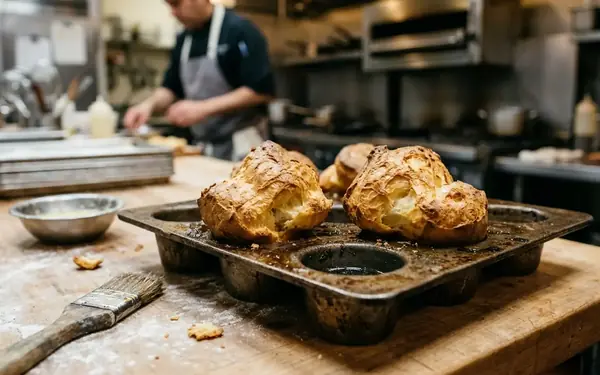
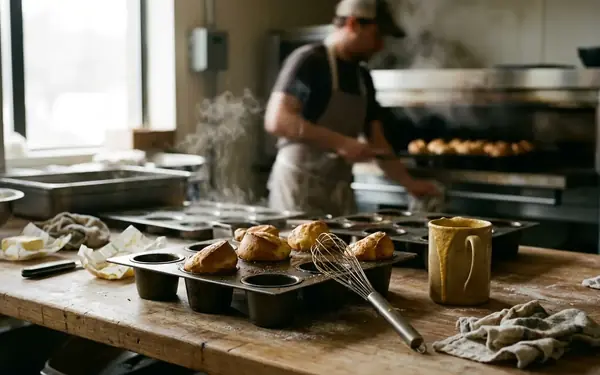
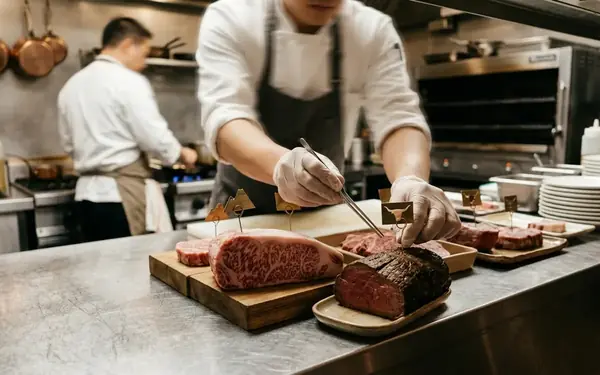
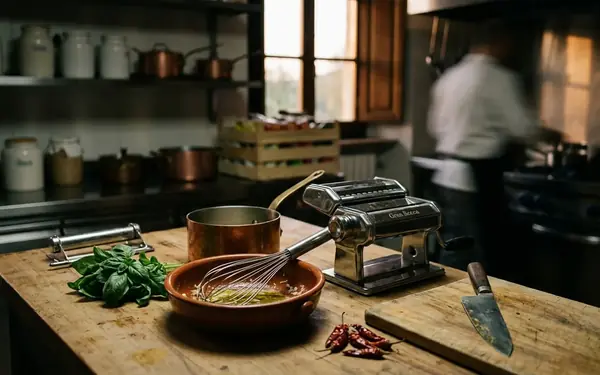
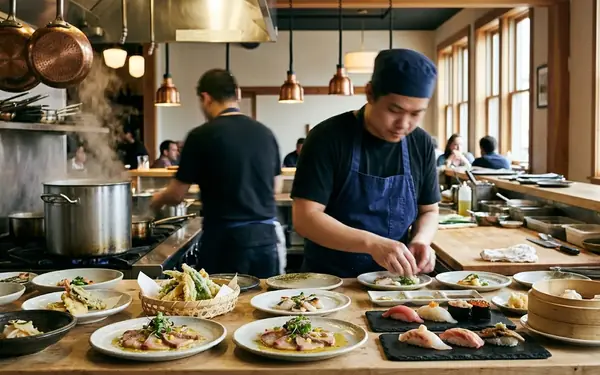
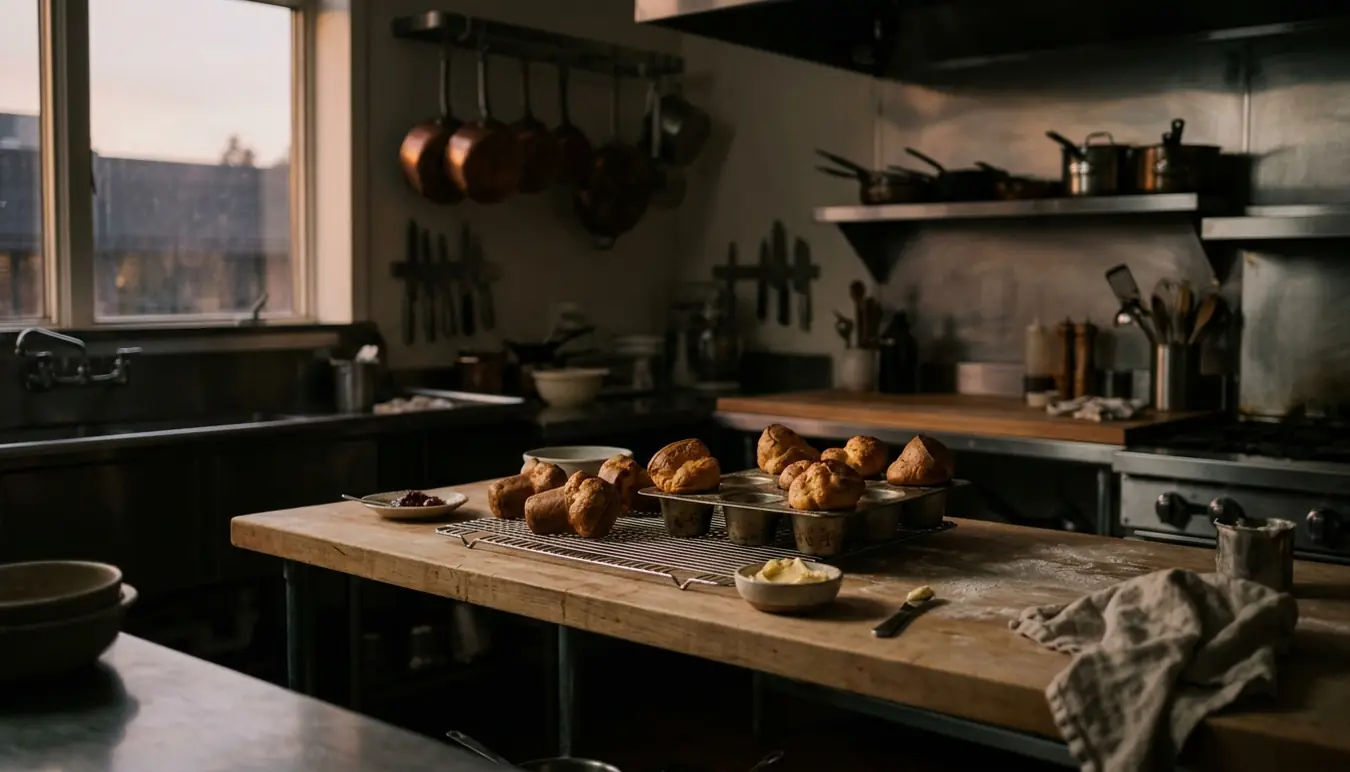
At Gran Bocca in Iidabashi, the unlimited popover serves a highly specific mechanical purpose. Drawing on the culinary traditions of its sister restaurants, the team designed this egg-leavened roll as a savory vessel. They adjusted the batter's salt ratio to directly complement the high-fat profile of A5 Wagyu and roast beef. This basket exists to catch jus, fat, and seasoning from the main cuts—a mechanical tool disguised as a bread course.
The kitchen bakes them at 220°C for the first 14 to 16 minutes to force a rapid steam lift. They then drop the oven to 175°C to set the hollow structure. Maintaining the batter hydration at approximately 115% helps produce a thin, shattering crust. Timing, temperature, and what you put on the first tear determine how much flavor you pull from the roast.
Diners who understand the mechanics of this bread service extract significantly more value from their main courses. The hollow center acts as a vault for rich liquids, while the sturdy exterior provides the necessary textural contrast to tender cuts of meat.
Drag Every Warm Tear Through A5 Wagyu Jus
Diners often reach for a knife to portion their bread. Tearing the popover by hand exposes an internal surface area that absorbs something like three times more liquid than a clean, knife-cut edge. This rough, steamy interior acts as a highly efficient sponge for the reduced juices pooling under sliced A5 Wagyu.
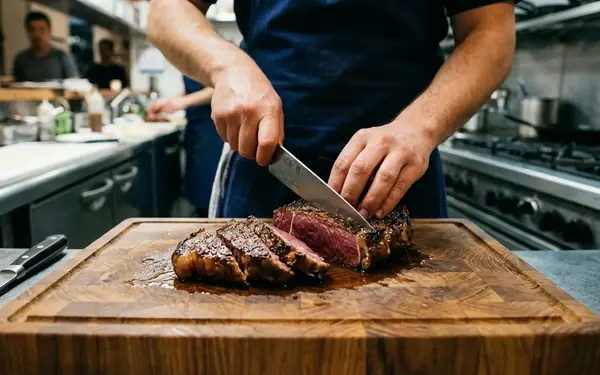
You want the fat and salt to cling securely to the crumb. A smooth crust simply repels the liquid, leaving the best flavors behind on the platter. The rich, marbled fat of the Wagyu renders down during the roasting process, mingling with salt and herbs to create a highly seasoned liquid.
From a kitchen perspective, the jus reaches its peak richness immediately after carving. Plated jus begins to congeal and lose its optimal dipping viscosity somewhere around four to six minutes after serving at standard room temperature. Prioritize those early baskets for dipping while the liquid remains hot and fluid.
Split and Crown Them With Whipped Butter and Maple
Early menu development explored different ways to introduce sweetness to the savory Italian roast menu. The kitchen initially tested injecting the popovers with a maple-butter emulsion before serving. The trapped moisture caused the crust to collapse within 85 to 90 seconds during these injection tests. The current tableside method preserves the structure.
You open the popover while steam still rises and load whipped butter directly into the cavity. The kitchen holds this butter at 18°C so it melts instantly upon contact with the hot interior. Add a thin ribbon of maple syrup over the melting butter. The resulting sweet-fat contrast resets the palate beautifully between rich beef bites.
Timing The Maple Glaze Treat the maple strictly as a glaze. A light application keeps the crust crisp enough for a second dip into the savory jus later in the meal.
Rich beef courses demand periodic sweetness to keep the palate engaged. This tableside assembly allows you to control the exact ratio of sugar to fat, tailoring the bite to your own preferences without compromising the bread's delicate architecture.
Build Bite-Size Open Faces With Thin Roast Beef
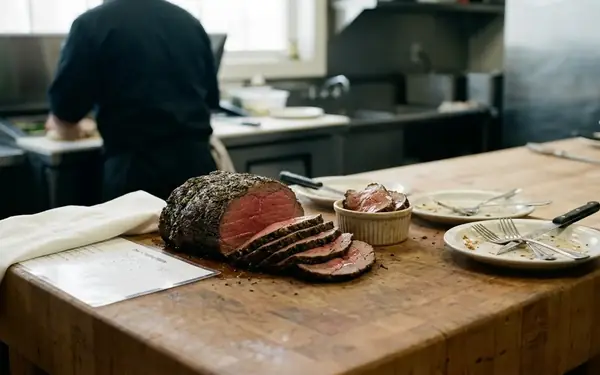
You can transform the bread service into a miniature course by building open-faced bites. Halve a popover and lay paper-thin roast beef across the shattered crust. The kitchen slices this beef to a precise thickness of 1.5 to 2.2 millimeters, making it light enough to rest on the delicate shell without crushing it.
Add a single grind of black pepper or a drop of pan jus to finish the assembly. This requires no knife skills beyond a clean tear and works perfectly for sharing across the party. Building these bites at the table introduces a tactile, interactive element to the dinner service.
The texture goal combines a soft interior with a lightly shattering rim and cool-or-warm beef. Consume these assembled bites within 45 to 60 seconds to prevent the bread from steaming into sogginess. Quick consumption ensures the crust retains its audible crunch against the tender meat.
Finish Hot Popovers With Herb Butter or Peppery Olive Oil
The choice between oil and butter depends entirely on the current course. Extra-virgin olive oil with a polyphenol count of something like 400 mg/kg or higher provides a sharp, peppery bite that cuts right through the egg-rich batter. Brush or spoon this oil onto a just-arrived basket during the antipasto and lighter mid-courses.
Switch to the garlic-herb compound butter once the main roast lands on the table. The robust polyphenol count in the oil delivers a grassy, pungent kick that awakens the palate early in the meal. The compound butter offers a rounder, more comforting flavor profile suited for the heavier meat courses.
Preserving The Shattering Crust Applying oil to the exterior crust will cause the shell to turn rubbery before the next course arrives. Always spoon fats directly onto the torn interior crumb.
Targeting the interior crumb protects the structural integrity of the roll. The soft inside absorbs the fat readily, while the outside remains dry and crisp enough to handle.
Pace the Basket Across Antipasto, Primo, and the Roast
Unlimited service functions as a course map for the entire evening. A standard two-top often consumes three to four popovers over the course of dinner. Pacing variations emerge quickly between a two-top ordering antipasti and a four-top moving straight to the roast course.
Diners who pace their intake receive hotter refills timed perfectly to the carving station. Rushed tables often end up with a stack of cooling shells right as the main event begins. Floor staff are trained to delay the second basket by 12 to 15 minutes if the roast course is not yet plated.
Enjoy one piece early with olive oil, hold back during the primo, and save fresh capacity for the final jus. Dining at Gran Bocca encourages a deliberate, unhurried rhythm. Aligning your bread consumption with the kitchen's pacing ensures you always have a hot, functional tool ready for the next flavor profile.
Call a Fresh Basket for the Second Half of the Roast
Temperature dictates the success of the entire bread program. Popovers lose their internal steam heat and drop below the critical 45°C threshold within eight to 11 minutes of leaving the oven. Cold popovers fail to absorb jus and instead become greasy when paired with A5 Wagyu fat.
Deliberately retire the first basket once it cools. Request a new, hot round when the meat platter is half gone. Stacking uneaten pieces on bread plates wastes the unlimited privilege. Empty the basket and let the staff refresh it.
Dining room service logs show that tables requesting a mid-roast refresh maintain the necessary heat to absorb the remaining Wagyu fat. These temperature thresholds represent the kitchen's baseline standards, though ambient dining room drafts and table location can shift the cooling window by a minute or two.
Mid-Meal Basket Refresh Never hesitate to send back a half-full basket of cold rolls. The kitchen anticipates this exact rhythm and keeps fresh batches rotating through the ovens specifically for mid-course replacements.
One Full Dinner Sequence You Can Copy Seat by Seat
This six-step consumption sequence follows the roast-beef and A5 Wagyu dinner from the first basket to the last dip.
- Define the job of popover one. Tear it open and apply peppery olive oil exclusively to the interior crumb alongside your antipasto.
- Hold the butter-maple crown for the pause before the roast. Split a fresh piece, load the 18°C whipped butter, and add a single maple ribbon to reset your palate.
- Build open-face bites when the platter arrives. Halve a hot roll, drape the 1.5-millimeter sliced beef over the edges, and consume within 45 seconds.
- Drag every remaining warm piece through the fresh carving juices pooling at the center of the table.
- Signal the floor staff for a fresh basket five to seven minutes before the halfway point of the meat platter.
- Dedicate the final hot delivery entirely to the remaining Wagyu fat, tearing the crumb to soak up the last of the rich, seasoned jus.