Two Tokyo Neighborhoods, Two Beef-Centered Tables
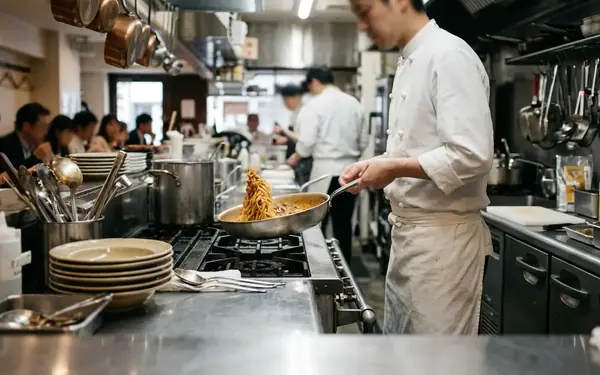
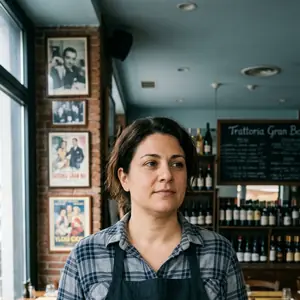
Choosing between Gran Bocca in Iidabashi and its sister restaurant Tanta Bocca in Sendagaya starts with the beef. Gran Bocca builds dinner around A5 Wagyu. Tanta Bocca keeps the house roast beef at the center of its trattoria service. Both speak the language of Italian antipasti, pasta, and a substantial meat course, but a reservation commits you to a different signature cut.
That distinction matters before anyone opens a menu. The management team gave the two locations separate culinary identities after examining neighborhood dining habits and finding that a shared menu weakened the impact of their specialty meats. The result is a useful choice for diners: follow the marbling to Iidabashi, or follow the roast aroma and pan juices to Sendagaya.
The reservation process reflects that split. Guests confirm their primary meat selection 48 to 72 hours before seating so each kitchen can source and prepare for the meal. Treat that question as the start of dinner, rather than a detail to settle after you arrive.
| Dining element | Gran Bocca, Iidabashi | Tanta Bocca, Sendagaya |
|---|---|---|
| Signature meat | A5 Wagyu beef | Traditional house roast beef |
| Serving style | 120 to 150 grams, with dense marbling | Thicker slices of 200 to 250 grams |
| Full-course pace | Generally 120 to 135 minutes | Typically 90 to 110 minutes, with a more fluid rhythm |
| Typical party fit | An intimate table of 2 to 4 | Often a group of 6 to 8 |
Gran Bocca’s A5 Marbling or Tanta Bocca’s House Roast
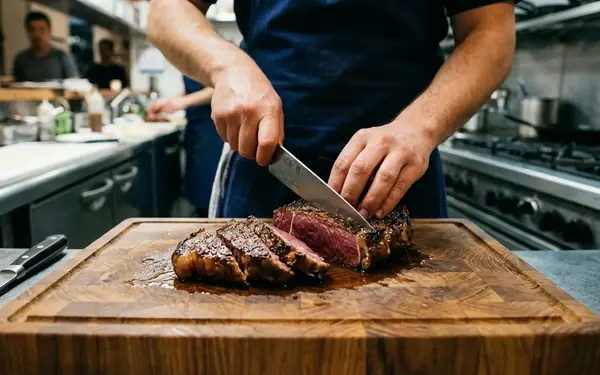
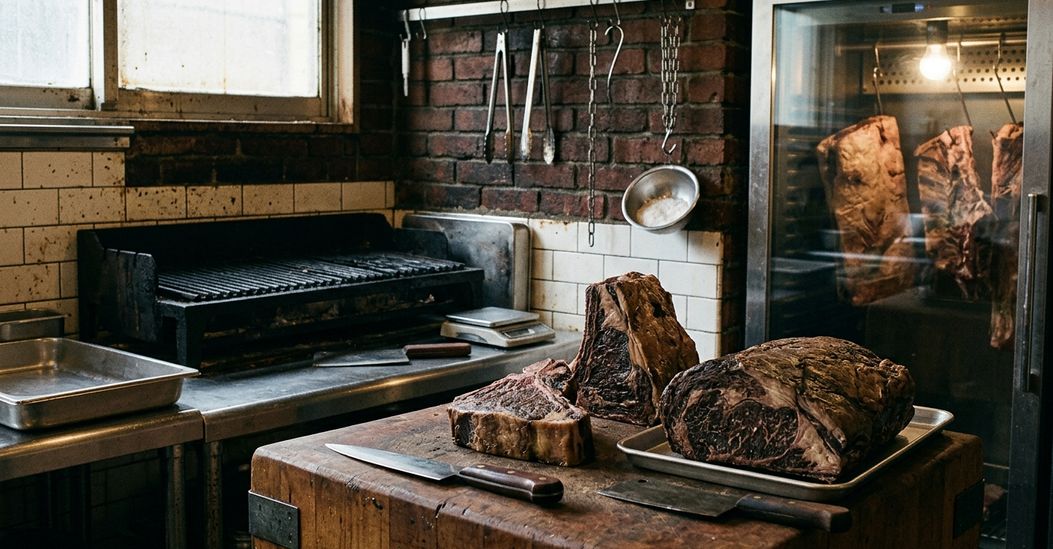
A5 Wagyu sets a particular pace. Its dense marbling brings richness early in each bite, so Gran Bocca portions it at 120 to 150 grams. The serving may look restrained beside a broad roast-beef plate; on the palate, it carries the weight of the meat course. Japan’s top beef grade is the attraction here, and the surrounding courses make room for it.
At the Iidabashi kitchen, antipasti lean toward higher acidity and lighter vinaigrettes. That choice gives the palate a clean start before the Wagyu arrives. A primi course can still belong in the meal, but order it with the beef in mind: the A5 course needs enough appetite, and enough attention, to register fully.
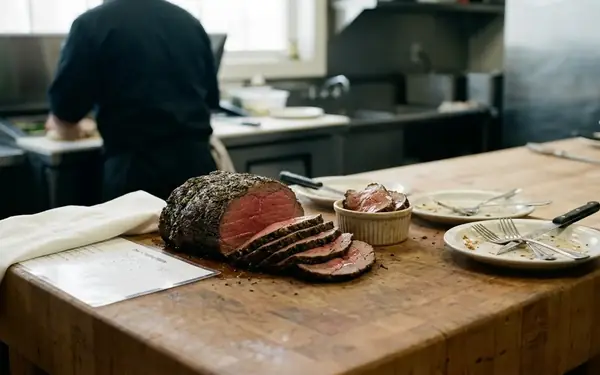
Sendagaya offers another kind of satisfaction. Tanta Bocca carves its traditional roast beef into thicker, 200 to 250-gram slices. Roast aroma, a generous cut, and pan juices give the plate its classic trattoria character. The kitchen reduces those juices over a 4 to 5-hour simmer for the glaze, building depth that suits a slower sequence of Italian plates.
Imagine the same broad course order at either table: antipasto, primi, then beef. In Iidabashi, acidity prepares the way for marbling. In Sendagaya, the earlier plates lead toward the warmth of the roast and its juices. The sequence stays Italian; the meat changes the balance of the whole dinner.
The Beef Sets Pace
When choosing pasta or antipasti, ask what will leave you ready for the signature meat. At Gran Bocca, protect room for the rich Wagyu serving. At Tanta Bocca, let the supporting plates frame the roast rather than crowd it.
Muted Linens in Iidabashi, Bare Wood in Sendagaya
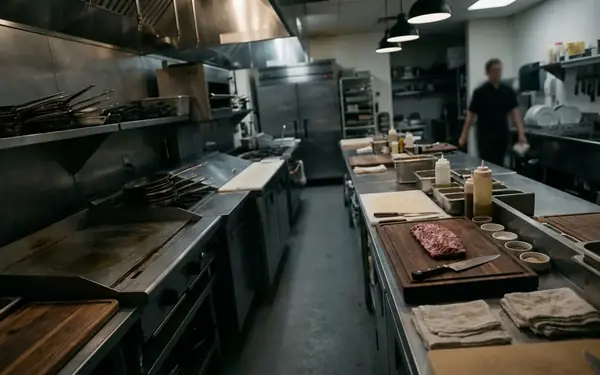
The dining rooms carry the menu distinction into the evening itself. Gran Bocca uses heavier linens and muted lighting to draw attention to plated Wagyu. The room suits a focused dinner: a smaller party, a special occasion, and time to notice how the beef changes from the first bite to the last.
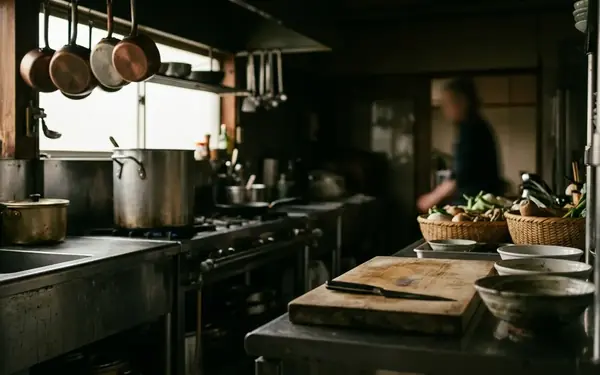
Tanta Bocca takes a brighter route. Bare wood and more ambient light support a bustling, communal feel, with the roast-beef course arriving as the center of a lively trattoria meal. A group can settle into conversation while antipasti and pasta establish the rhythm before the carved meat reaches the table.
Those settings affect how you plan the night around Iidabashi or Sendagaya. A full course at Gran Bocca is generally paced for 120 to 135 minutes. Sendagaya’s floor typically moves through 90 to 110 minutes, though its rhythm is more fluid. Think about the walk to dinner, any plans afterward, and how long you want to stay with the meal. The Iidabashi location invites a more concentrated evening; Sendagaya gives a larger table more room for conversation.
The timings describe dinner service rather than a promise that a table will be cleared at a particular minute. They are most useful as planning benchmarks when the reservation is the main event of the night.
How Each Kitchen Builds Toward Its Signature Meat
At Gran Bocca, start with the A5 course and work backward. The kitchen rests the Wagyu for 12 to 15 minutes after its initial sear, allowing the internal marbling to soften without rendering away completely. That interval is part of the meat service, and the preceding courses should give the kitchen room to bring the beef out at its intended point.
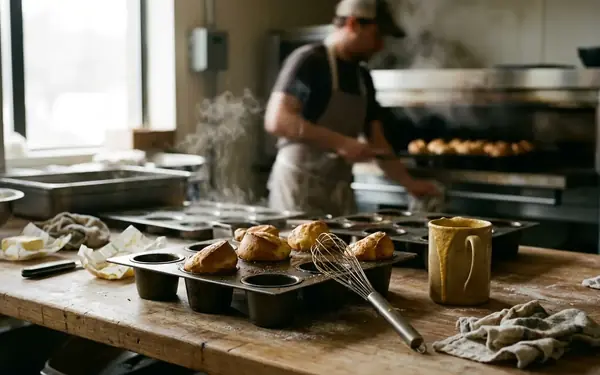
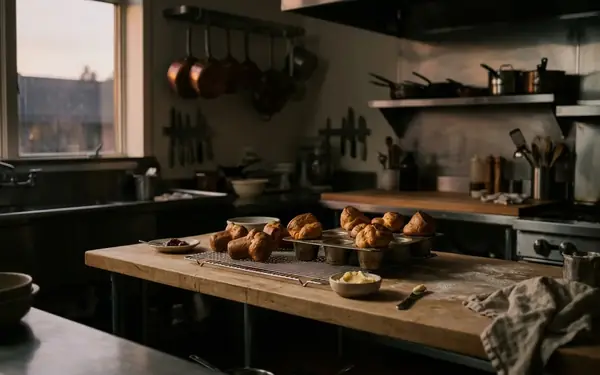
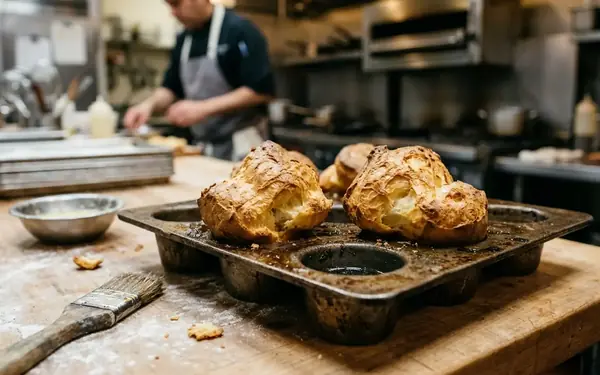
A pasta-first plan that fills the table before anyone has discussed the signature meat misses that pacing. Order an antipasto that refreshes the palate, choose a primi with some restraint, and let the Wagyu become the clear peak. Even the popover tradition belongs within that plan: enjoy the bread, while keeping the richest bites for the course you booked.
Tanta Bocca calls for a different center of gravity. Its roast beef has the scale for a traditional meat course, supported by the reduced pan juices. Antipasti and pasta can build anticipation without having to cut through the same concentration of marbling. If you want the familiar progression of an Italian trattoria meal, Sendagaya gives the roast a generous place at its finish.
The kitchens once tested a dual-platter approach at Iidabashi. Because the A5’s rich fat left the leaner roast beef tasting muted afterward, the team dropped that pairing and kept the signature meats distinct. It is a revealing service decision: putting both cuts on one plate would make the comparison easy, but it would make the roast harder to appreciate.
Keep the Peaks Separate
Order for the beef your kitchen specializes in that evening. A Wagyu-led meal and a roast-led meal use the same Italian course grammar, yet each needs its own finish.
Who Fits the Wagyu Table, and Who Fits the Roast
Book Iidabashi for a Wagyu-forward celebration with a close companion or a small group. Gran Bocca’s intimate pacing works especially well for 2 to 4 diners who want to focus on marbling and a carefully timed meat course. The smaller portion suits someone seeking richness and tenderness over a larger carving.
Choose Sendagaya when the occasion calls for traditional roast beef and a more convivial table. Tanta Bocca frequently accommodates groups of 6 to 8, and its brighter floor suits a dinner where conversation travels across the table. The thicker slices and roast juices give that gathering a clear centerpiece.
Front-of-house staff guide booking conversations toward the occasion and the desired cut. Give them something more useful than a neighborhood preference: say whether you picture plated A5 Wagyu at a quiet table or carved roast beef shared over a longer conversation. That answer helps place the reservation at the right sister restaurant.
The Booking Mismatch
Do not reserve Gran Bocca expecting a roast-cart evening, or Tanta Bocca expecting an A5-centered sitting. Confirm the signature meat before you commit to a location.
This comparison applies to the two restaurants’ dinner service. Their lunch offerings can follow a simpler, more unified rotation of pasta and casual meat dishes, so the dinner distinction is the sound basis for this particular choice.
Reserve the Neighborhood That Serves Your Cut
Make the meat decision first: A5 Wagyu at Gran Bocca in Iidabashi, or house roast beef at Tanta Bocca in Sendagaya. The reservation system prompts diners for their preferred cut before the date, putting kitchen readiness ahead of calendar convenience. Name the signature when you book, then confirm the primary meat selection 48 to 72 hours before seating.
If you want a weekend table during the 19:00 to 20:30 peak, plan to book 14 to 21 days ahead. Use the expected course pace when arranging the rest of your evening: leave a generous window for Gran Bocca’s focused Wagyu service, or gather your group for Sendagaya’s livelier roast-beef rhythm.
Open the reservation request now and choose the signature cut before selecting your date.