
Ask for the Seat That Keeps the Roast Worth Eating
The best seat to request in the Iidabashi Sakura Terrace dining room is the one that keeps signature roast beef and A5 wagyu in peak condition for the exact sitting you booked, while leaving the blossom glass as scenery you can comfortably see across the floor. Diners who treat the room's temperature gradients with the same respect the kitchen gives the meat get a noticeably better meal.
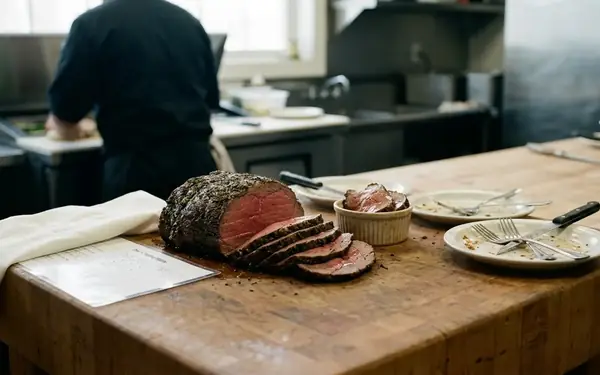
Most callers lead their reservation request by asking for the closest possible view of the trees. That instinct makes sense on a postcard, yet it routinely works against the centerpiece of the menu at our Iidabashi location. Standard evening sittings for the full roast beef and A5 wagyu progression run 90 to 120 minutes, requiring stable ambient table temperatures throughout the second hour when the main courses arrive. Thinly sliced signature roast beef loses its ideal surface sheen and begins to firm up within 4 to 6 minutes when exposed to cool air along the perimeter glass.
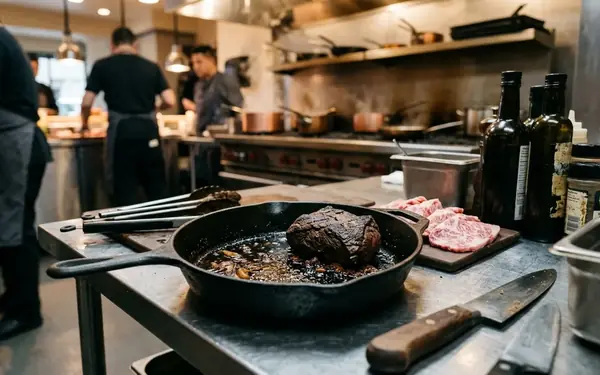
Drawing on evening service observations of warm beef fat across the dining room, the floor team mapped how each row interacts with the kitchen pass and the exterior glass. Early attempts to satisfy both window requests and optimal meat service by using pre-heated ceramic plates at the glass perimeter were abandoned because over-heated porcelain continued cooking the underside of thin roast beef slices, turning medium-rare cuts gray at the table. Defending a roast-first seat across the room's four distinct dining zones is the single smartest adjustment you can make before arriving.
Glare, Door Draft, and a Plate That Cools Too Soon
Four physical disruptions fight this menu between the antipasti and the final meat courses: harsh terrace glare reflecting off a dark plate, cool drafts whenever the patio doors swing open, heavy runner traffic along the main pass, and excessive distance from the carving board. None of these ruin a glass of wine, but they directly alter the texture of warm tallow and jus.
A5 wagyu fat begins to set and lose its melt-in-the-mouth texture once the plate surface drops below warm room conditions, a shift that accelerates whenever the terrace entry opens during cool spring evenings. When intramuscular fat cools even slightly on the porcelain, the silkiness you paid for turns waxy on the palate before you finish the third slice.
You can see why the perimeter glass is an unstable advantage by comparing two different meals in the exact same window chair. A quick weekday lunch sitting wraps up in 45 to 60 minutes before ambient glass chill affects the meal, whereas a 2-hour dinner sitting in the same chair exposes the main meat course to repeated patio door openings and compounding heat loss. What works for a brisk midday plate of pasta works poorly when a carved wagyu progression hits the table ninety minutes into the evening.
These floor patterns reflect what the Iidabashi team watches during ordinary dinner seatings, rather than serving as a fixed rule for every peak blossom-week night or every Italian dining room in Tokyo. Still, understanding how air movement and runner paths cross the room lets you choose your trade-offs intentionally.
Say the Occasion Before You Say the View
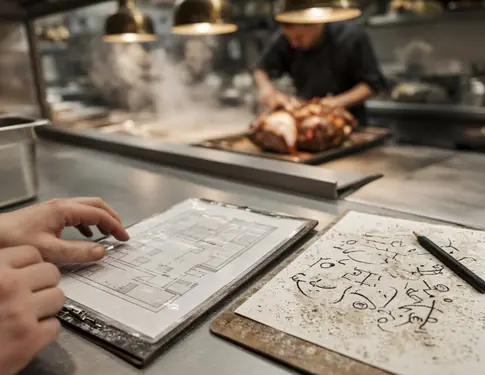
Getting the right table starts with changing the order of information you give the reservation desk. Callers who only ask for a cherry blossom view frequently ask to relocate once the meat carving begins and the main pass grows lively, only to find the floor chart locked for the night. Callers booking 3 to 5 days ahead of a standard weekend service can still choose between roast-facing tables and set-back two-tops if they specify their course plan up front.
- Decide whether the beef or the gathering leads: Know before dialing whether your table cares most about hot, freshly sliced signature meats or uninterrupted conversation.
- State your stay duration and focus in one sentence: Give the host your expected sitting length alongside your menu priority so they can plot the turn times.
- Accept a set-back table for long progressions: If your party plans to linger over multiple bottles and courses, step one row back from the perimeter glass to keep the plates warm.
- Confirm acoustic levels at the door: Ask the host upon arrival whether that night's pass is running loud before you sit down and open the menus.
Iidabashi Booking Line
When calling the desk, anchor your request to your sitting length and menu plan with this exact phrasing: "We are booking for a two-hour roast beef and A5 wagyu dinner, so please put us near the carving pass or at a set-back table out of the door draft."
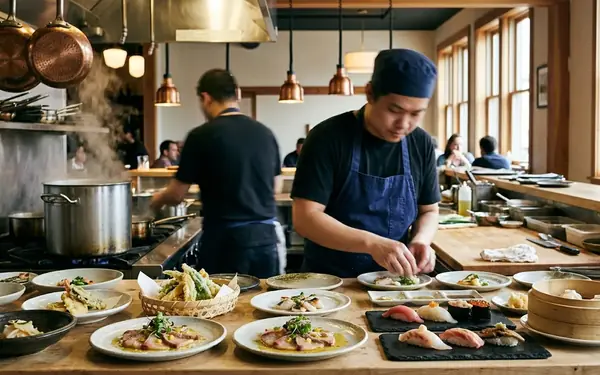
Rather than grading the room by how close you sit to the trees, the reservation desk treats the floor as four functional zones: roast-facing seats, set-back two-tops, weekday lunch tables, and the family aisle. Each zone solves a specific service problem.
| Seating Zone | Best For | Meat & Course Pacing | View & Acoustic Trade-off |
|---|---|---|---|
| Roast-Facing Seats | Diners prioritizing signature roast beef and A5 wagyu temperature | Fastest carve-to-table delivery (under 45 seconds); warm jus stays fluid | High kitchen energy and call-out volume; diagonal view to glass |
| Set-Back Two-Tops | Romantic dinners and long two-person progressions | Protected from terrace door drafts during 90-to-120-minute sittings | Elevated talk privacy outside 19:00–20:30 rush; angled blossom sightlines |
| Weekday Lunch Tables | Business lunches and daytime pasta dishes | Condensed 50-to-70-minute rhythm; generous tabletop surface | Conversation distance from doors; brisk midday room turnover |
| The Family Aisle | Casual groups of 4 to 6 sharing platters | Deep central surface for shared roast boards and unlimited popovers | Easy stroller and group access; interior sightlines away from showcase glass |
Roast-Facing Seats Versus the Set-Back Two-Tops
Dividing the central dining room into roast-facing tables and set-back two-tops comes down to balancing runner transit times against acoustic comfort.
Zone One: Roast-Facing Seats
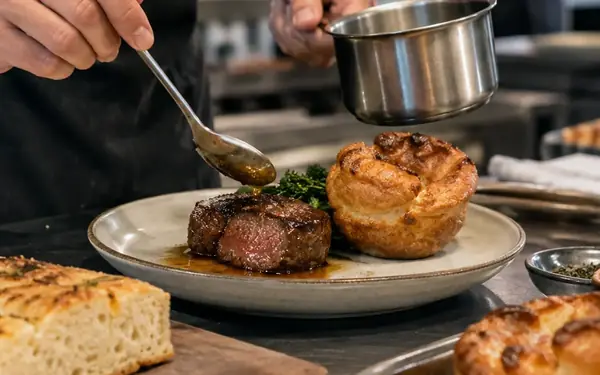
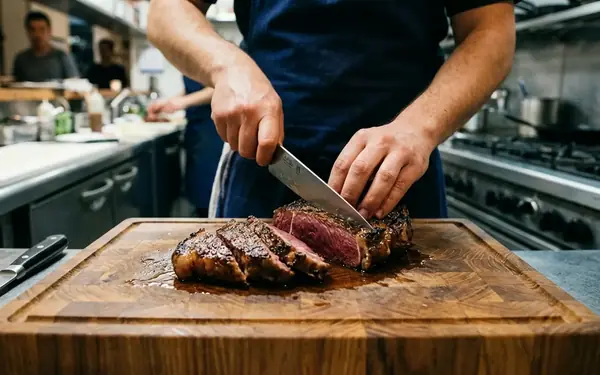
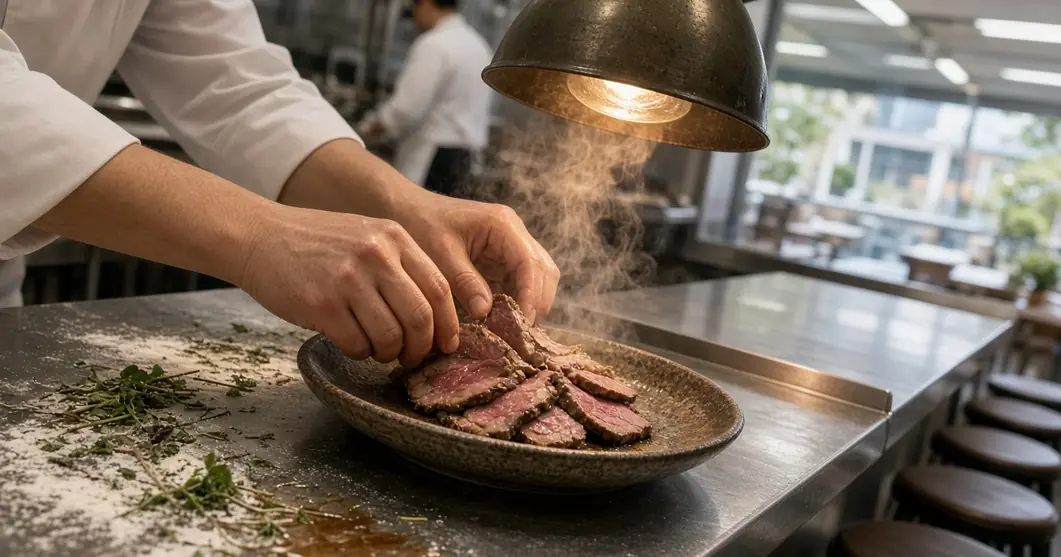
If you booked specifically for our signature meats and the popover tradition, request a roast-facing table. Plates leaving the roast station reach roast-facing tables in under 45 seconds, preserving the warm jus and rendered A5 wagyu fat at peak viscosity. Sitting here also gives you an immediate visual read of how the meat is being carved and plated, so you can time your wine pours and side dishes to the rhythm of the board without feeling pressured to pose against the exterior glass.
Those seats carry a clear acoustic trade-off during dinner in this room, when the roast station sets the pace for the whole floor. The radiant energy of the pass and the sharp cadence of kitchen call-outs make roast-facing tables a poor fit for a hushed marriage proposal or anyone easily fatigued by restaurant clamor.
Zone Two: Set-Back Two-Tops
Couples who want a romantic dinner that still catches terrace light without sitting in the door line should ask for the middle row of set-back two-tops. When you compare these tables with the perimeter glass seats on conversation privacy and temperature stability, the middle row wins easily. You escape the cold blast of the patio threshold while retaining clean diagonal sightlines toward the trees.
During peak spring blossom weeks, the set-back two-tops frequently book out 10 to 14 days in advance, and their quieter acoustic profile holds steady mainly outside the 19:00 to 20:30 evening rush. Booking an early 17:30 seating or a later 20:45 turn in this row secures the calmest two-person experience at our Iidabashi location.
Weekday Lunch Tables and the Family Aisle
Daytime meals and group gatherings place completely different demands on tabletop geometry and aisle clearance than a two-person wagyu dinner.
Zone Three: Weekday Lunch Tables
Weekday lunch at Iidabashi operates under its own floor logic, distinct from Friday dinner service. Weekday lunch sittings between 11:30 and 14:00 operate on a condensed 50-to-70-minute rhythm so guests can clear the bill before afternoon meetings. Because a shorter daytime meal does not require the same two-hour thermal vigilance as an evening progression, conversation quality and table surface outrank proximity to the carving board.
These tables give you enough surface area to spread out a shared roast plate alongside our pasta dishes, plus comfortable distance from the terrace doors so midday foot traffic never interrupts a work conversation.
Zone Four: The Family Aisle
Standard two-person tables quickly run out of real estate when you combine wooden meat boards, side bowls, and baskets from our unlimited popover tradition. The family aisle accommodates 4-to-6-top configurations with enough central table depth to hold a shared roast beef board alongside pasta courses without crowding water carafes or child seating.
This interior zone is built for casual gatherings that need easier arrivals and exits and zero pressure to sit quietly through a formal tasting sequence. You trade away the showcase window, and in return your group gets breathing room and wider server lanes.
Book the Beef First, Then Let the Terrace Be Scenery
If signature roast beef or A5 wagyu is the reason you chose Trattoria Gran Bocca over our sister restaurants or another Tokyo dining room, request a roast-facing seat and treat Sakura Terrace as a view you glance toward across the room rather than the glass you lean against. Yield that seat only when the private occasion itself is the entire point of the night—such as a proposal or a sensitive client talk that cannot share the kitchen's sound, and state that priority plainly when you book.
Once you arrive at the Iidabashi location, use the first few minutes at the table to verify your spot before the kitchen fires your order. Confirming with the desk that your table sits at least one row back from the terrace doors prevents mid-meal relocation requests when evening temperatures drop between 18:00 and 21:00.
Five-Minute Table Check
Once a party orders and the carving station starts slicing for their course, the floor cannot relocate a drafty window table without throwing off the pass timing for the whole sitting, locking table swaps to the first 5 to 10 minutes after arrival.
Sit down, check the air current from the patio threshold, listen to the volume coming off the pass, and ask the host for a move before ordering your first drinks if the zone does not match your night. Protect the temperature of the plate first, and both the beef and the blossoms will deliver.