Why Popovers Matter Before the First Steak Arrives
Standard local dining turnover often runs somewhere around 90 to 105 minutes. Kitchens optimize for speed, pushing guests from appetizers to the check with mechanical precision. Gran Bocca deliberately breaks this rhythm. The culinary team initially tested standard ciabatta for the bread service, but discarded that approach after observing diners filling up on dense dough before the heavy meat courses arrived. The pivot to a lighter pastry solved the pacing problem.
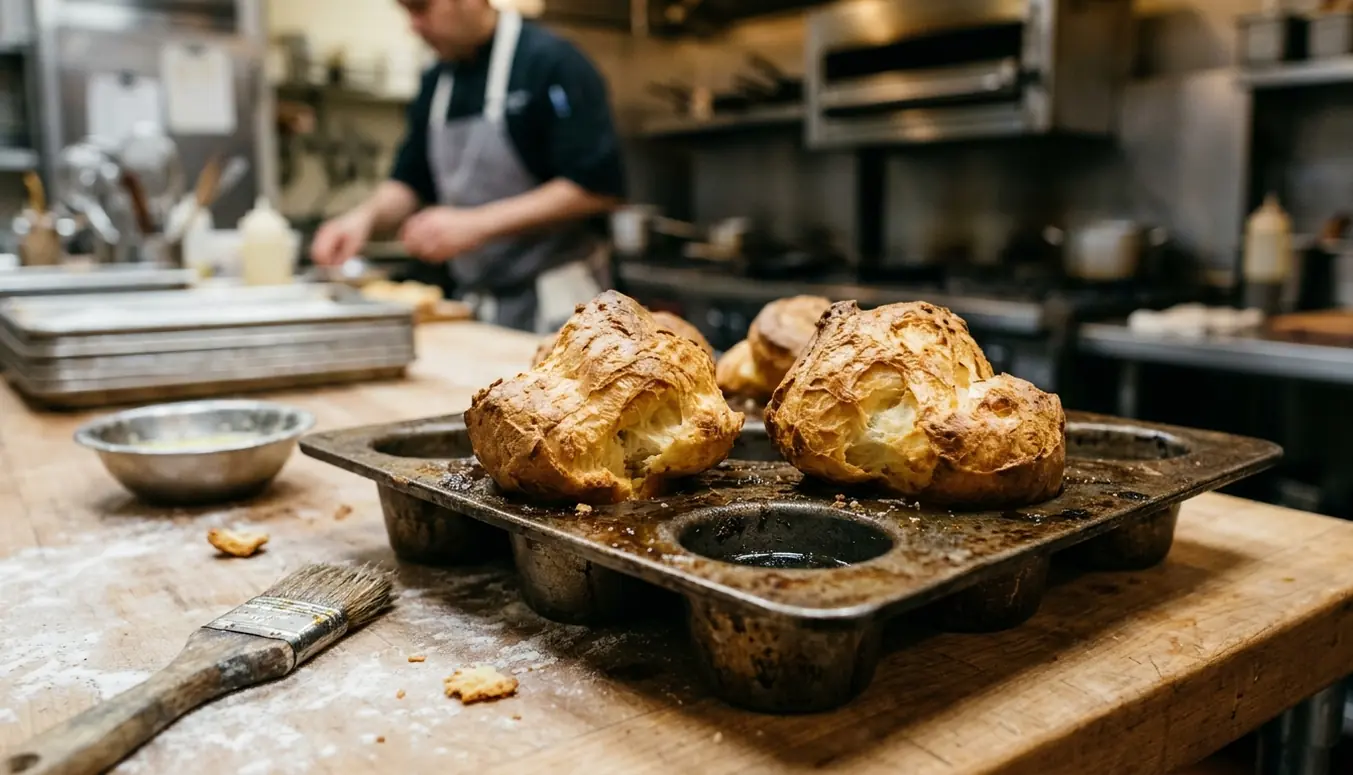
Today, the initial popover is served within something like 120 to 180 seconds of guests taking their seats. This immediate delivery establishes a different expectation. It signals abundance while preserving stomach capacity for the Wagyu cuts to come. The steam escaping from that first torn crust sets the tone for the next two hours.
How Gran Bocca Prepares Popovers for Continuous Service
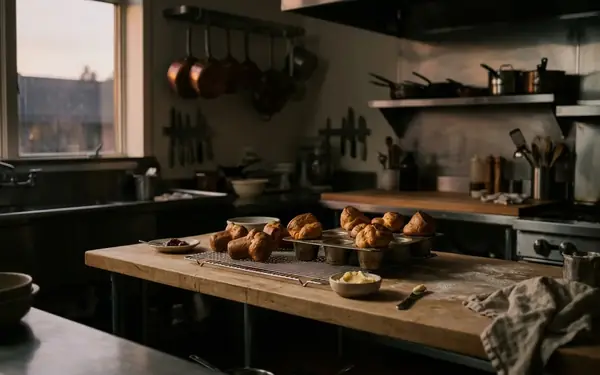
Achieving the dramatic rise of a proper popover requires strict thermal management.
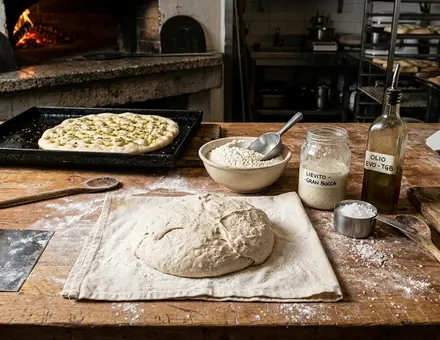
Ovens are calibrated to approximately 220 degrees Celsius, with pans rotated 180 degrees at the 8-minute mark. The exact baking time fluctuates slightly depending on the ambient humidity in the kitchen during the summer monsoon season, requiring bakers to adjust the final bake by 60 to 90 seconds.
Key Takeaway: The continuous baking cycle requires dedicated oven space, meaning smaller kitchens cannot replicate this volume without sacrificing roasting capacity for main dishes.
The Unlimited Refill Ritual and Guest Interaction
Firsthand testing suggests the dining room operates on visual triggers rather than verbal interruptions. Waitstaff are trained to monitor the table's progress visually, initiating the first refill offer just as the antipasti plates are cleared to bridge the gap before the roasted meats arrive.
Popovers are sized at 6 to 7 centimeters in diameter for service. The sizing intentionally encourages guests to consume 3 to 4 pieces throughout the meal. A massive pastry demands a commitment—a smaller one invites a casual second round.
Pro Tip: Accept the refill offered during the antipasti clearance. The hollow center of a fresh popover is the ideal vessel for capturing residual olive oil and meat juices.Popover Service Timing and Course Integration
| Dining Phase | Timeframe | Service Action |
|---|---|---|
| Seating | Minutes 0 to 3 | First warm popover served with whipped butter |
| Antipasti Clearance | Minutes 25 to 35 | Second round offered; pans brought directly from the oven |
Why the Unlimited Policy Defines the Entire Meal
The unlimited policy was established to counter the typical local dining experience of strictly portioned side dishes, creating an immediate sense of hospitality and abundance the moment guests are seated. Diners typically consume their first popover within 3 to 4 minutes of seating. According to kitchen planning, the kitchen prepares 400 to 450 individual popovers per dinner service to sustain the unlimited policy.
This sheer volume transforms a simple bread course into the structural foundation of the menu. The popover is not an afterthought. It dictates the rhythm of the entire evening, ensuring the transition between courses feels generous rather than calculated.