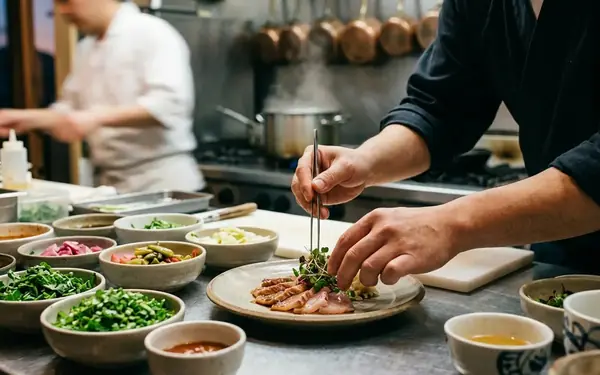
A silky pasta sauce is a physics problem you solve with your wrists. Fat, starch, and heat cooperate for a few seconds, and if you catch them in the right window, the sauce turns glossy and clings to every strand. Miss the window and you get an oil slick or a watery bowl. Keeping emulsified sauces intact under real service pressure takes precise station discipline, and the same skill can be rebuilt at home.
How Mantecatura Became the Backbone of Busy Pasta Service
Mantecatura is the Italian kitchen habit of finishing pasta off the boil, working fat, cheese, and cloudy pasta water into a single glossy phase directly in the pan. For generations it lived as an unhurried home ritual, something a cook did by feel with no clock running.
High-volume lunch service changed that. Once tickets started stacking, chefs could no longer treat the finish as a slow flourish. It became a timed station skill, executed in one confident motion while the next order fired.
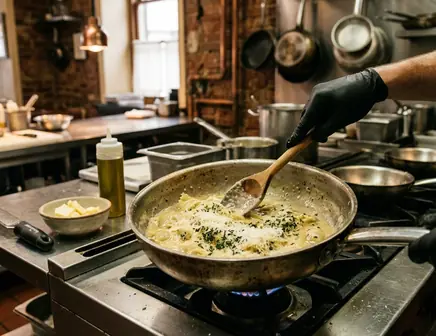
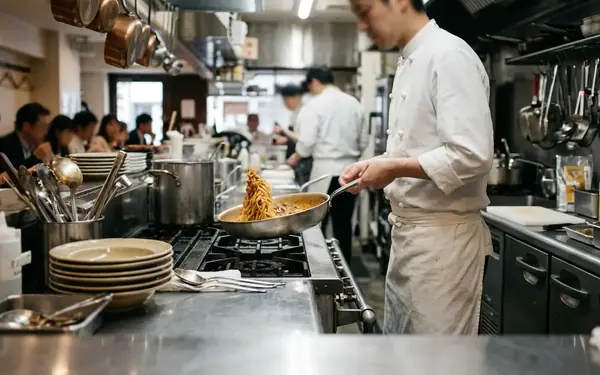
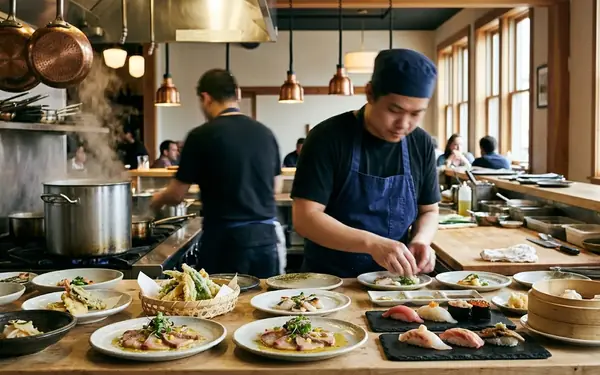
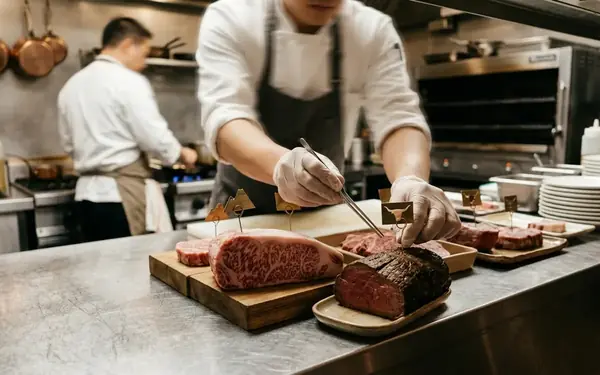
You can still watch this lineage on the pass at Trattoria Gran Bocca, where meat-centric plates come together under Tokyo lunch pressure. Pan heat, a ladle of pasta water, and steady wrist work carry a plate from boil to bowl in roughly 45 to 55 seconds of continuous agitation. The signature meats set the character of the dish, but the emulsion is what makes it hold together on the way out.
What a True Pasta Emulsion Actually Does on the Plate
An emulsion, for a pasta cook, means fat droplets suspended evenly through a starchy water phase. That suspension is why a good sauce coats the strands rather than sliding off them.
Picture two failures side by side. One bowl shows oil beading and pooling around the edges, the pasta essentially naked. The other bowl has a thin watery layer sitting at the bottom, the sauce having given up and drained away. A locked emulsion sits between those extremes: every strand wears a thin, clinging coat, and the pan floor stays clean.
Three working parts make that happen—starch, fat, and controlled residual heat. Starch from the pasta water acts as the binder that holds the fat in suspension. Residual pan heat, kept somewhere around 160°F to 180°F, keeps the whole thing loose and integrated without cooking the fat back out of solution.
Build the Station Before the Pasta Leaves the Water
Emulsion is won or lost during setup, before a single strand hits the pan. Lunch service at a Gran Bocca pace depends on a station arranged so nothing interrupts the finish.
Here is the mise en place worth having ready:
- Warm serving bowls, so the sauce does not seize on contact with cold ceramic.
- A ladle of cloudy, starchy pasta water within arm's reach.
- Fat already rendered or measured out—rendered guanciale, butter, or oil.
- Grated hard cheese at room temperature, if the dish calls for it.
Pan choice matters more than most home cooks expect. A wide sauté pan gives you surface area and room to toss; a deep pot traps steam and fights the very motion the emulsion needs.
Pull the pasta slightly firmer than the final bite you want—roughly 90 to 120 seconds before the package's al dente mark. The last stretch of cooking happens inside the sauce, and that finishing time is where the strands release the starch that binds everything.
Five Moves That Lock Fat and Starch Into One Sauce
The Gran Bocca kitchen once tried shortcutting service by holding pre-emulsified bases in warm water baths. The held sauces split after 15 to 20 minutes without fail, and the team abandoned the idea in favor of finishing each plate to order. The sequence below is what replaced it.
- Transfer: Lift the pasta with tongs or a spider straight into the sauce pan. Carry a little clinging water with it, but avoid dumping a flood that dilutes everything.
- First water: Add a modest amount of starchy water—around 2 to 3 tablespoons per portion, and start tossing so the starch begins binding the fat already in the pan.
- Heat control: Work over medium to medium-low. If the pan is screaming, pull it off the burner for a beat. A hard boil breaks the suspension.
- Build gradually: Add water in small hits rather than one pour, watching the sauce tighten and gloss with each addition.
- Finish and rest off heat: Drop in cheese or a final knob of fat away from direct high heat, tossing until the coat looks uniform.
The Cold-Water Trap
Adding cold tap water instead of hot, starchy pasta water instantly drops the pan temperature and shatters the fat suspension. Keep the pasta pot at a low simmer nearby so your water source stays hot and loaded with starch.
Emulsifying Meat-Centric Sauces the Gran Bocca Way
The same five moves carry over to ragù, guanciale and pancetta bases, sausage crumble, and reduced meat jus—the sauces that define Gran Bocca's meat-forward identity. What shifts is the balance of fat and water going into the bind.
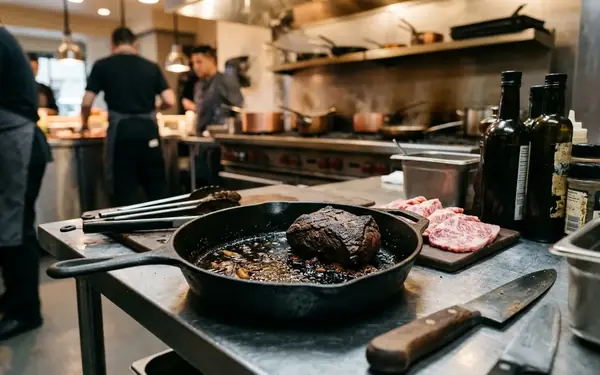
Rendered meat fat is a strong emulsifier on its own, which is a gift and a hazard. Balanced against enough starchy water, guanciale drippings build a rich, glossy coat with little help. When the base tastes lean or the mouthfeel goes thin, a knob of butter or a splash of olive oil rounds it back out.
A guanciale-style finish runs like this: crisp the meat, leave the rendered fat in the pan, add the pasta and a first hit of water, and toss until the surface turns glossy. Finish with cheese off direct high heat so nothing seizes. For a reduced jus, cut the liquid by about a third before the pasta goes in—otherwise you are trying to emulsify a puddle.
Read the base before you reach for water. A loose, tomato-heavy ragù needs more aggressive reduction and less added pasta water, while a dry, fat-heavy guanciale base wants the opposite.
Plate Before It Sets
Rendered animal fats like guanciale drippings solidify faster than olive oil as they cool. These meat-centric emulsions seize rapidly on cold ceramic, so warm the bowl and plate the moment the sauce comes together.
When the Sauce Breaks—and the Fastest Way to Rescue It
Most breaks announce themselves visually, and each has a clear cause. Learning to read the pan buys you the two or three seconds a rescue needs.
| Visual Symptom | Likely Cause | Immediate Rescue Action |
|---|---|---|
| Oil pooling at pan edges | Pan too hot; not enough starch or motion | Remove from heat 15 seconds, add 1 tablespoon hot pasta water, toss vigorously |
| Pasty clumps around the strands | Too much cheese added too fast | Small hits of hot water with continuous motion off high heat |
| Watery layer at the bottom of the bowl | Under-reduced or under-tossed | Return to gentle heat and toss until the water tightens into the sauce |
For an oily break, the fastest fix is to drop the pan temperature—lift it off the burner for 10 to 15 seconds, then add a spoon of hot pasta water and toss hard to re-suspend the fat. The motion does most of the work.
A greasy cheese seize responds to the same logic: more hot water in small increments, plus relentless tossing away from direct heat. Never dump a big pour to fix a seize; you will trade a clump for a puddle.
Practice Drills That Build Restaurant Timing at Home
Speed comes from reps, not talent. Before you attempt a full meat sauce, run short solo drills with one portion of a cacio-style or plain butter-and-water finish. Those minimal sauces expose your timing because there is nowhere to hide a mistake.
Cook the pasta in less water than habit dictates—2.5 to 3 quarts instead of the traditional 4 to 5. The remaining water carries far more starch, which makes every ladle you pull genuinely useful for binding.
Plate immediately into warm bowls. Drawing on repeated finishes at the pass, an emulsion left to sit in the pan or dropped onto cold ceramic starts seizing within seconds, undoing the toss you just executed.
Bet on Motion and Pasta Water Before You Bet on More Fat
Here is the habit worth committing to: when a sauce looks dull or greasy, add starchy water and toss harder before you reach for more oil or butter. Give it a vigorous 20 to 30 seconds of tossing after that last water addition and watch the surface come back to gloss.
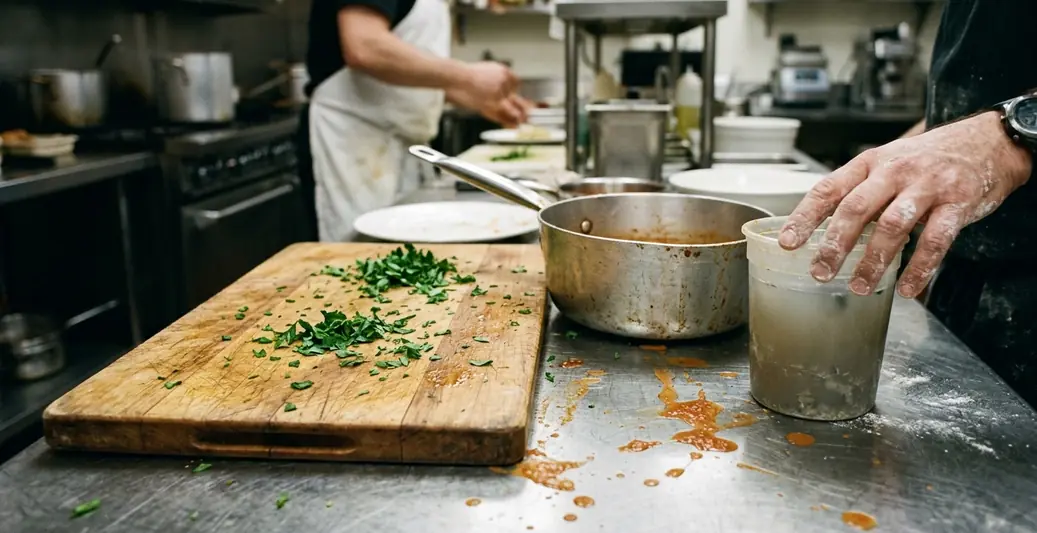
That single reflex is what separates a plate that merely tastes seasoned from one that looks and feels finished. More fat papers over the problem; more motion and starch actually rebuild the suspension.
Gran Bocca lunch service runs on exactly this priority—gloss earned from emulsion, never from drowning the pasta in fat. Train your wrist to reach for the water ladle first, and your sauces will hold from pan to bowl every time.