Roast Beef, A5 Wagyu, and Pasta at Midday
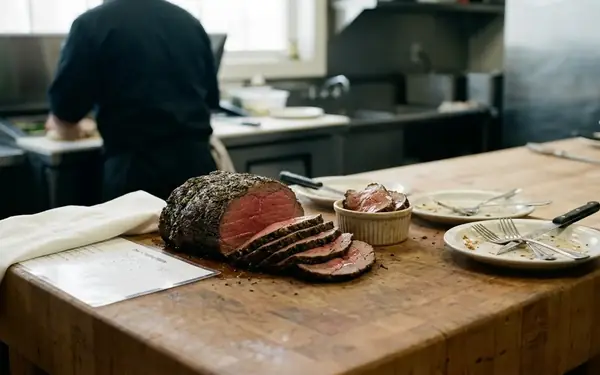
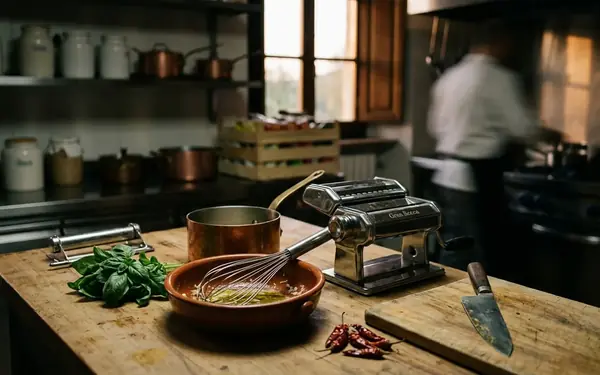
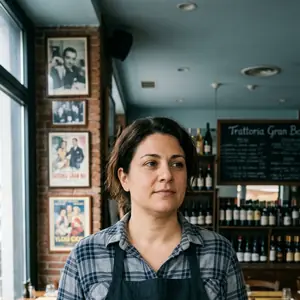
Gran Bocca is a Tokyo trattoria whose kitchen is built around roast beef and A5 wagyu, and its midday service is a pasta-led, multi-course lunch with daily rotating specials. The pasta has to carry the afternoon without burying the beef that defines the house.
That creates a useful tension on the table. Pasta brings starch, sauce, and seasonal texture; the signature meats ask the diner to notice roast crust or warm, yielding marbling. A generous bowl can satisfy immediately while leaving little appetite for those distinctions. The lunch sequence gives pasta a narrower, deliberate job: introduce acidity and produce, then leave room for the carved meat.
For diners exploring Gran Bocca’s pasta & lunches at its Iidabashi location, the important choice extends beyond the pasta shape. Read the board as a sequence, with the beef course already in mind.
Read the Japanese Board by Course
The rotating chalkboard follows the kitchen’s morning market deliveries. Its useful information falls into three categories:
- The pasta of the day: the opening savoury course around which lunch takes shape.
- The seasonal produce note: the vegetable or herb direction carried through the sauce and garnish.
- The designated meat: roast beef or A5 wagyu for that service.
Japanese is the restaurant’s working language. An English-speaking diner can recognize a pasta name and still miss the detail that determines how the meal will eat. Ask the floor team to identify the categories before ordering: “Which is today’s pasta, what is the seasonal note, and which beef follows?”
Treat that confirmation as part of choosing lunch. A special describes what the kitchen has prepared for that midday service. A dish seen on an earlier visit does not become a standing item, and this walkthrough cannot turn the changing board into a permanent menu.
A Pasta Portion That Leaves Appetite for Beef
The midday pasta works best as an opening course. Its portion leaves room for the meat that follows, whereas a full evening plate can carry the burden of satisfying the diner by itself. Using dinner-sized expectations at lunch makes it harder to judge whether the sequence is working.
Look first at the sauce. It should cling to the pasta, with the emulsion held on the surface rather than gathering in an oily or creamy pool below. Excess sauce prolongs its coating effect in the mouth; that makes the next course’s rendered fat harder to distinguish. A neatly dressed serving gives each bite flavour without making the sauce the meal’s lasting texture.
Then watch the handoff. The pasta should finish comfortably before the beef arrives, without forcing hurried forkfuls or leaving warm meat waiting beside an unfinished bowl.
These cues describe the midday pasta service only. Dinner plating and the full roast program have their own demands; a lunch portion supplies no benchmark for their serving sizes.
Let the Sauce Carry the Season
The rotating pasta special gives seasonal produce a defined place in a beef-led meal. Sauce and garnish can change with the deliveries while the meat preparation stays consistent enough to reveal crust and fat clearly.
When the board points toward fresh vegetables or herbs, expect the seasonal interest to sit in lighter, greener notes. When it points toward a deeper preparation, the sauce can bring slower-cooked body instead. Neither direction requires a second seasonal dish to make the lunch feel complete.
One Seasonal Focus
If the floor confirms a vegetable or herb as the day’s feature, let that pasta carry the produce character. Keep the beef course plain enough that the roast crust or A5 marbling remains easy to taste.
This approach suits a diner who wants both the changing board and the house’s signature meats. The pasta supplies contrast; the beef supplies a steady point of comparison.
Clear the Pasta Before the Beef Lands
A heavy pasta followed immediately by roast beef or A5 wagyu can flatten both courses. Starch and lingering sauce occupy the palate just as the meat’s warm fat arrives. The dining room’s clearing pause gives those textures some separation.
Protect the Beef
Finish the pasta, let the bowl clear, and drink water before taking the meat. Avoid treating the pause as an opening for more starch.
Choose one meat emphasis for an ordinary midday seating: the roast beef’s crust or the A5 wagyu’s pronounced marbling. Ordering both asks for a longer lunch and a slower pace. This clearing gap belongs to the multi-course midday pasta service; it neither prescribes an evening roast seating nor suggests that the kitchen prohibits extra courses.
A Board-to-Beef Order You Can Copy
For this worked lunch, suppose the floor confirms a pasta with a fresh seasonal note and roast beef as the meat course. Follow that confirmed sequence:
- Read before choosing. On arrival for midday service, look over the rotating board before settling on a familiar pasta name.
- Confirm the categories. Ask the floor to identify the pasta special, its seasonal note, and the meat. Say, “I’d like today’s seasonal pasta followed by the roast beef you’ve confirmed,” rather than guessing a Japanese dish name.
- Eat the lunch-sized pasta. Keep it as the opening savoury course. Notice the seasonal flavour and finish the dressed pasta without adding supplementary starch.
- Take the clearing pause. Let the bowl leave the table, drink water, and allow the pasta’s sauce to recede before the beef arrives.
- Give the warm beef your attention. Begin when the plate lands. Taste the roast crust and the meat together while the serving remains warm.
- Finish with the chosen sequence. Complete the roast beef course and close lunch there, leaving the pasta-to-beef progression intact.