
Thirty-Eight Months Before the Cork Even Meets the Bottle
Deep in the cellars of Piedmont, time does the heavy lifting. DOCG regulations mandate a minimum of 38 months of aging before a Barolo can legally see the light of day. At least 18 of those months must be spent resting in oak barrels. This forced structural development builds the precise architecture required to handle rich, heavily marbled beef.
Young, fruit-forward wines collapse under the weight of premium fat. They lack the necessary tension. The extended aging process in traditional Italian winemaking polymerizes tannins and integrates acidity, transforming aggressive grape characteristics into a refined framework. This structural evolution is exactly what signature meats demand.
Finding the right bottle for a Wagyu roast goes beyond grabbing a heavy red. The pairing relies on a specific interplay between rendered animal fat and bright, persistent acidity. The four regional Italian reds here are chosen specifically for meat-centric plates, focusing on how their unique structural components interact with rich roast preparations.
Why Wagyu Marbling Punishes Soft, Low-Acid Reds
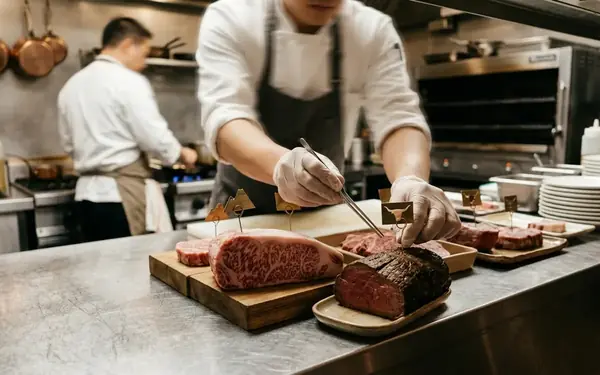
Wagyu beef fat begins to melt at approximately 25°C to 29°C (77°F to 84°F). This low melting point means the fat liquefies almost instantly upon entering the mouth. It coats the palate in somewhere around 3 to 5 seconds, requiring immediate acid intervention to prevent palate fatigue.
Serving a high-alcohol, low-acid fruit-forward red with heavily marbled Wagyu results in a flabby, overwhelming palate experience where the rendered fat completely mutes the wine. Without sufficient acidity to slice through that lipid layer, the diner loses the ability to taste the nuances of the beef after the second bite. Bright acidity acts as a palate cleanser, resetting the mouth for the next piece of meat.
Cooler-climate Italian hill sites produce grapes with naturally high acidity and firm tannins. Nebbiolo, high-elevation Sangiovese, and volcanic Aglianico develop a ripe but resolved grip that binds to protein and rendered fat without turning bitter. Warmer, plush styles from valley floors simply lack this necessary tension.
While regional pairing traditions offer a solid baseline, matching high-fat proteins requires isolating the specific acid structure of the vintage rather than relying on the appellation alone. A hot vintage might yield a wine too soft for the job, even from a prestigious high-altitude vineyard.
1. Barolo (Nebbiolo): Tar, Rose, and Grip for the Richest Cuts
Barolo provides the ultimate structural counterweight to the most heavily marbled signature roast cuts. The Nebbiolo grape delivers a deceptive profile: pale in the glass, highly aromatic, yet armed with massive tannins. Those tannins need the rich, melting fat of Wagyu to soften their impact.
Classic aromatic cues of dried rose, tar, red cherry, and anise sit beautifully beside a hard-seared crust and savory beef juices. The wine's aromatic lift prevents the pairing from feeling heavy. Target a serving temperature of 16°C to 17°C to keep the alcohol in check and the acidity vibrant.
Seek out bottles with some age or those from producers favoring a traditional house style. Time polishes the tannins, ensuring they grip the protein rather than aggressively stripping the palate.
Warning: Heavy, sweet soy-based glazes will clash violently with Nebbiolo's austere tannic frame, turning the wine metallic.
2. Brunello di Montalcino: Sangiovese Depth for Herb-Crusted Roasts
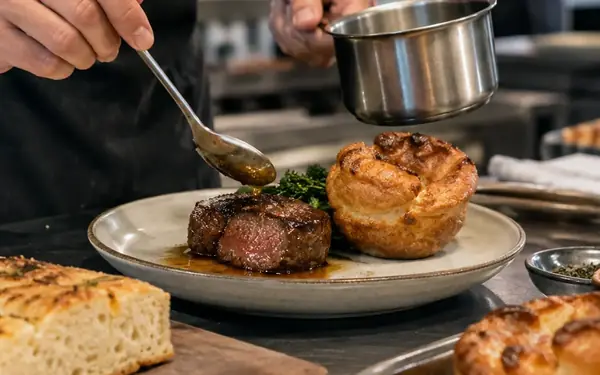
When the kitchen prepares an herb-crusted or rosemary-garlic Wagyu roast, Brunello di Montalcino steps forward. The Sangiovese Grosso clone used in Montalcino delivers savory cherry and leather notes that perfectly echo a traditional Italian herb crust.
The production rules guarantee a wine of substantial depth. Brunello requires a minimum of 24 months in oak and cannot be released until January 1st of the fifth year following the harvest. This extended maturation builds a mid-palate weight that keeps pace with the sheer intensity of premium beef.
Unlike lighter everyday Chianti, which might wash away against a rich roast, Brunello offers concentration. Its natural acidity cuts through the marbling, while the dense core of savory fruit complements the roasted garlic and caramelized meat exterior.
3. Chianti Classico Riserva: The Flexible Weeknight-to-Weekend Workhorse
For mixed tables and lunch-into-dinner roast services, Chianti Classico Riserva stands as the most versatile option. It bridges the gap between casual pasta & lunches and formal evening dining.
The Riserva designation requires a minimum of 24 months of aging, which includes a mandatory 3 months of bottle aging before release. This process adds a layer of polish and complexity absent in entry-level bottlings. The signature Sangiovese acidity remains front and center, refreshing the palate after each fatty bite.
This wine excels alongside a garlic-rosemary roast served with a simple pan jus. It also handles the accompanying side dishes effortlessly. Bitter greens or a side of white beans find a natural affinity with the earthy, red-fruited profile of a well-made Riserva.
4. Aglianico (Taurasi and Kin): Volcanic Power for Charred Edges
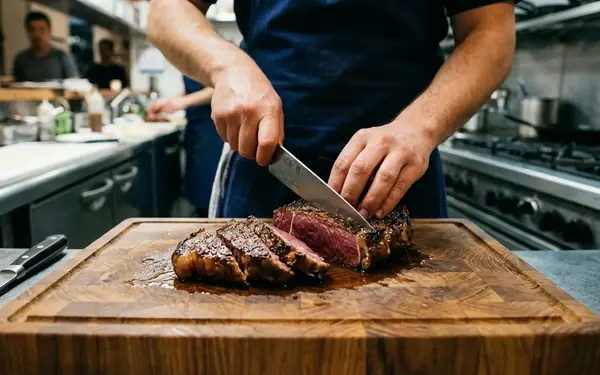
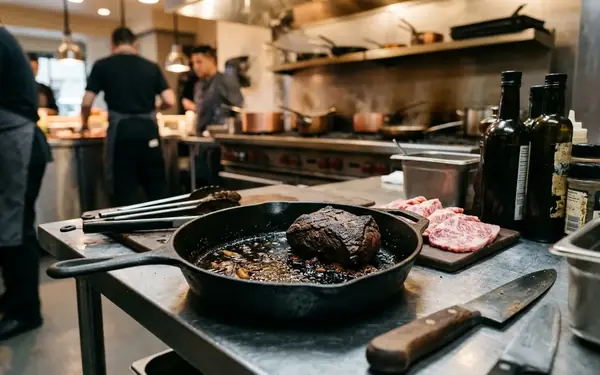
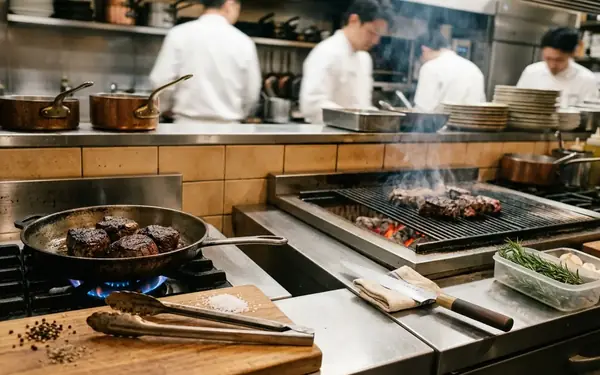
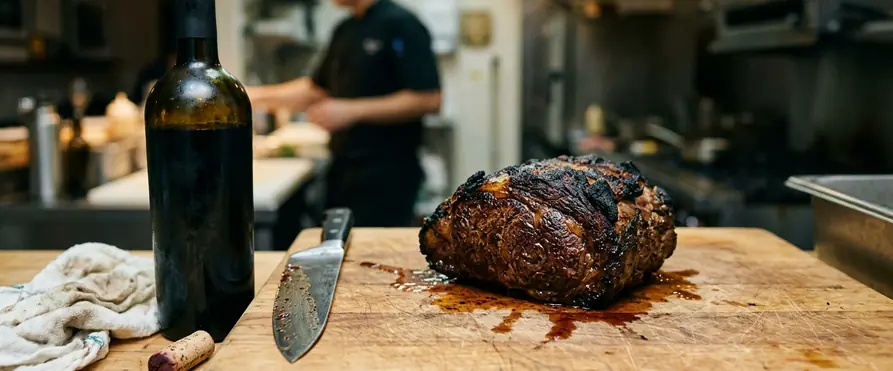
Roasts finished with a darker sear, smoked salt, or a heavily charred exterior demand a wine with serious backbone. Aglianico, particularly from the Taurasi DOCG, provides that necessary volcanic power.
Taurasi DOCG mandates 36 months of aging and requires a minimum of 12 months in wood to develop its signature iron and smoke aromatics. These dark fruit, spice, and mineral notes stand up brilliantly when crust flavors intensify. The wine mirrors the savory, slightly bitter edge of the char.
Often called the "Barolo of the South," Aglianico shares Nebbiolo's structural twin pillars of naturally firm tannins and high acidity. It cuts through Wagyu fat with equal precision but brings a darker, more brooding flavor profile suited for aggressive cooking techniques.
Temperature, Glass, and Pour Size That Protect the Pairing
Even the most carefully selected bottle will fail if served incorrectly. Pull structured reds slightly cool. If the wine reaches room temperature in a warm dining room, the alcohol volatilizes aggressively, and the fat-cutting acidity feels sluggish.
Utilize a 600ml to 700ml wide-bowl glass for maximum aeration. Nebbiolo and Sangiovese require significant oxygen exposure to open their aromatics. A large bowl allows the diner to swirl the wine, releasing the volatile compounds that complement the aroma of the roast.
Pro Tip: Smaller initial pours of 75ml to 90ml keep the wine in its ideal temperature window across a slow roast course.
Copy This: A Four-Step Wagyu Roast Pairing Plan for One Table
Examining recent service logs from the Iidabashi location reveals a clear pattern: guests' palates fatigue rapidly when a single magnum carries the entire meal. The initial approach of serving one large-format bottle for the entire table was discarded in favor of a sequenced progression. Here is the exact four-step plan to execute a signature Wagyu roast dinner for four guests.
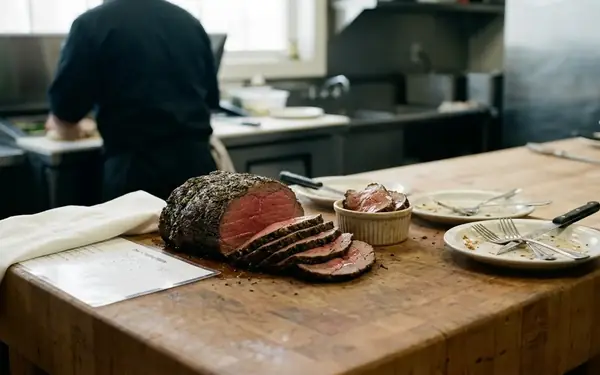
Step 1: Define the Crust and Cut Identify the preparation. If serving a heavily marbled rib cap with a hard sear and smoked salt, select the Taurasi. If serving a center-cut roast with a rosemary-garlic crust, pull the Brunello di Montalcino.
Step 2: Calculate the Decant Open the wine well before the meat hits the oven. Decanting times range from 30 to 45 minutes for a Chianti Classico Riserva, up to 120 to 150 minutes of decanting for a young Barolo.
Key Takeaway: Decanting times must be adjusted based on the specific vintage and producer style; a 15-year-old traditional Barolo requires significantly less air than a 5-year-old modern release.
Step 3: Stage the Glassware and Temperature Set the table with 650ml wide-bowl glasses. Place the decanter in a cool spot, aiming for a liquid temperature of 16°C just as the roast comes out to rest.
Step 4: Execute the Pour Strategy Carve the roast and serve the first slices. Pour exactly 75ml per guest. This small volume allows the wine to open rapidly in the large glass while remaining cool. As the guests finish their first portion of meat, pour the second 75ml measure to accompany the richer, center-cut slices.