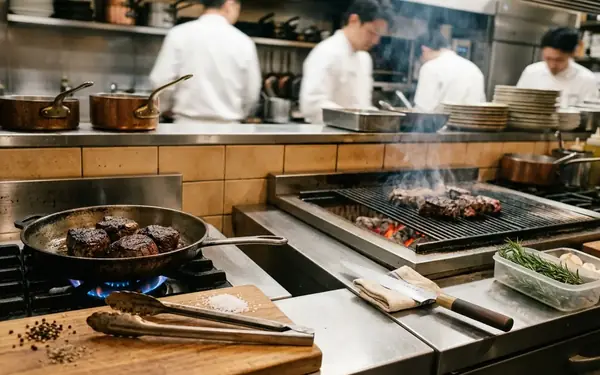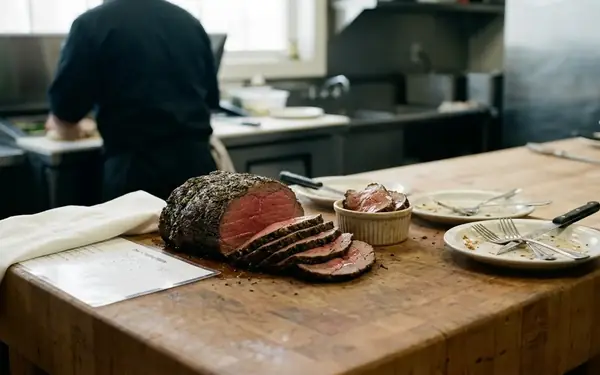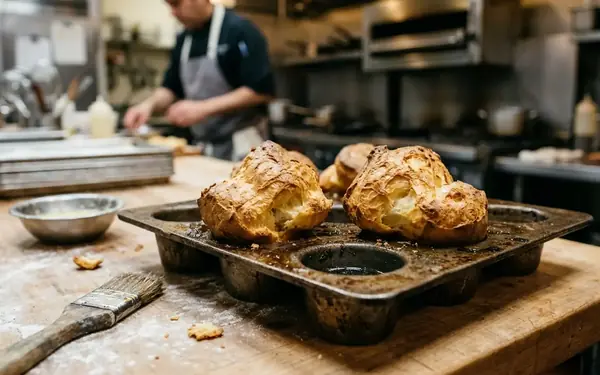
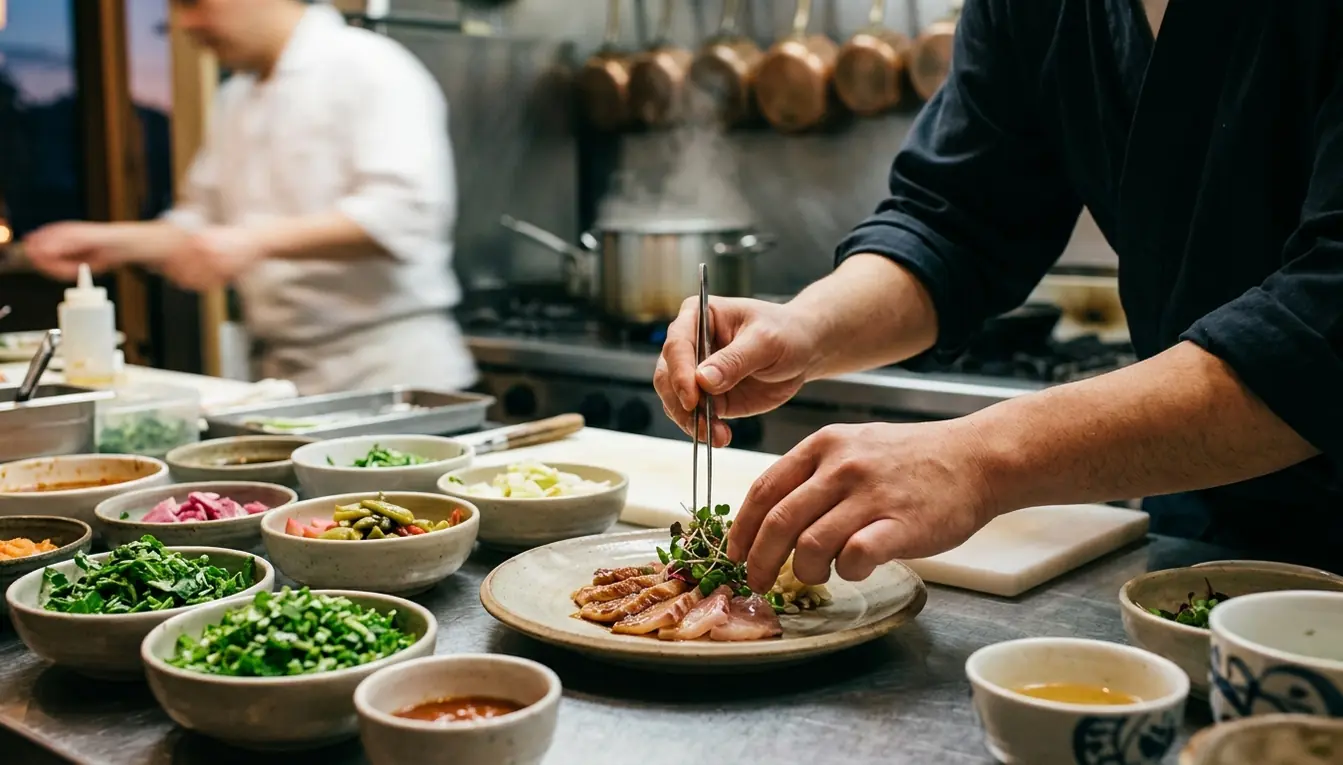
A roast-beef dinner near Sakura Terrace begins before the host checks the reservation. The preceding hour determines whether the first slice registers as vivid and generous or merely heavy. Walking pace, snack choice, and arrival time all shape the appetite that meets the carving board.
This sequence treats the Iidabashi location as part of the meal. The pavement builds hunger, a shrine path settles attention, and the river provides a brief final pause after the signature meats.
Quick Nav
- The hour before carving
- Timing hunger and arrival
- A measured shrine loop
- Protecting the palate for A5 wagyu
- The river after dinner
- A Tuesday sequence in practice
The Evening Around Sakura Terrace Starts on the Pavement
Treating Sakura Terrace as a waiting room wastes one of the neighborhood's practical advantages. A direct taxi ride followed by twenty stationary minutes leaves the diner watching the clock, often close enough to bread or a café counter to begin eating without meaning to.
A walk changes the opening conditions. Field notes tracking diner feedback found a consistent pattern: guests who crossed the district on foot described the initial meat courses as richer than those who arrived directly by car. A brisk circuit of roughly 1.2 to 1.5 kilometers also raised the heart rate slightly and was associated with an estimated 12- to 18-minute acceleration in gastric emptying compared with remaining seated in a waiting area.
Those observations support a useful dining sequence, though they do not isolate walking as the sole cause of each diner's response. Appetite, earlier meals, weather, and individual pace still influence perception. The practical finding remains sound: light movement gives roast beef and A5 wagyu a more receptive starting point.
Hunger as the first seasoning
The walk should feel purposeful rather than athletic. Heavy exertion creates thirst and restlessness; slow wandering may never sharpen appetite. A steady terrace pace offers the middle ground, bringing the diner to the table alert, composed, and ready to notice crust before richness.
Pavement Before Carving
Reserve part of the pre-dinner hour for open air. Let the final stretch toward the restaurant build anticipation instead of spending it beside the host stand.
Time Hunger to the Roast Beef, Not the Booking Slot
Arriving ravenous ten minutes early can flatten the meal just as effectively as arriving full. The first condition encourages hurried bites and repeated reaches for bread. The second hides the distinction between the roast's browned exterior, its juice, and the softer richness of wagyu fat.
Peak dinner service follows a primary roast-beef carving cycle of 45 to 55 minutes. Operational timing places an arrival three to five minutes before the reservation close to the start of a fresh carving window. For a 7:30 booking, the useful target is therefore the host stand at about 7:25 to 7:27, rather than a foyer wait beginning shortly after seven.
A clock that serves the plate
- Keep the afternoon meal light enough to leave genuine appetite.
- Begin the neighborhood walk with time to maintain an even pace.
- Complete the final approach along Sakura Terrace without a snack stop.
- Reach the host stand three to five minutes before the booking.
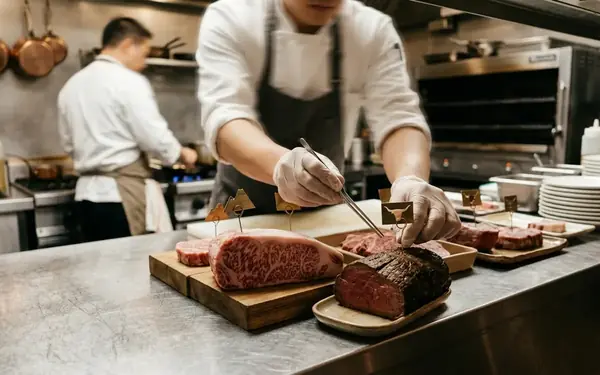
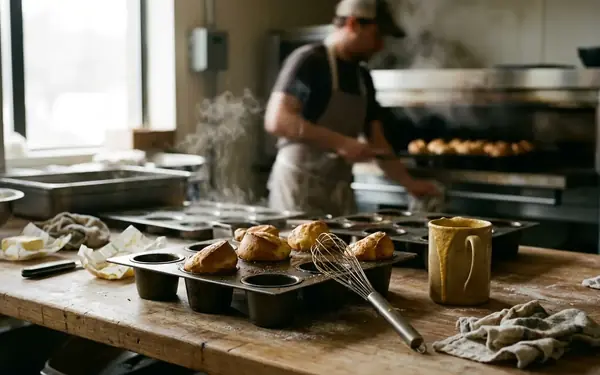
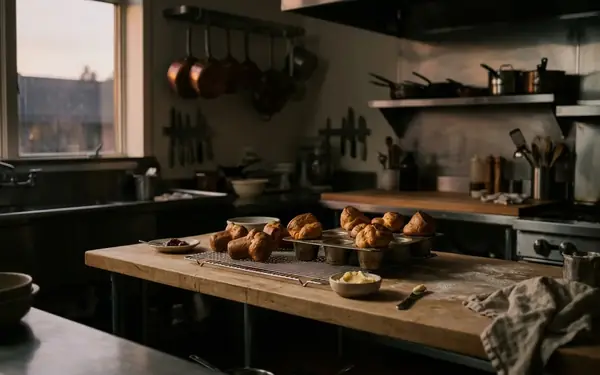
- Let the signature meats lead before filling up on the popover tradition.
This schedule shifts attention from punctuality theater to kitchen rhythm. It also preserves the pleasure of fresh bread: the popover can accompany the meal without becoming an accidental first course eaten from boredom.
A Shrine-Path Loop Sets the Pace for Dinner
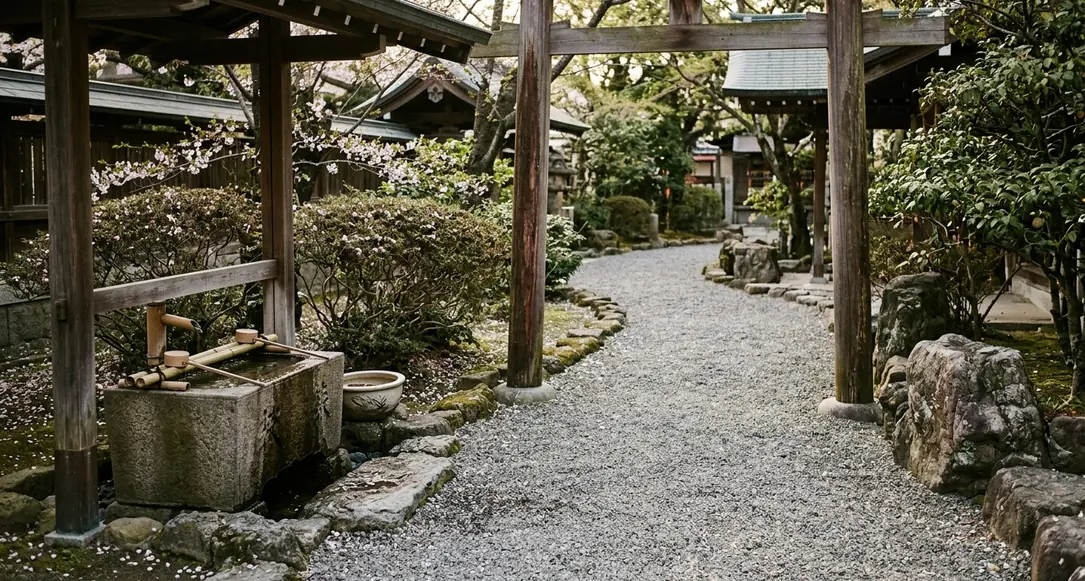
The nearby shrine grounds work best as a quiet on-ramp rather than a sightseeing checklist. Gravel moderates the stride. Stone edges draw attention away from traffic. The reduced noise creates a short sensory break before the livelier dining room.
Five neighborhood paths were compared for distance and ambient sound. The selected circuit around the adjacent shrine grounds measured approximately 850 to 920 meters and took 14 to 17 minutes at a leisurely pace. Its quieter sections provided the clearest auditory reset before returning toward Sakura Terrace.
One circuit, no collecting
Start from the terrace, enter the shrine path without detouring toward café counters, and complete a single loop. There is no need to chase three gates, several photographs, and a last-minute shop visit. One unhurried circuit leaves enough margin to straighten a coat, check the reservation time, and enter the trattoria without carrying street-level haste to the table.
The route suits diners who tend to arrive mentally ahead of their appetite. Couples can allow the quiet to replace itinerary talk; solo diners can use the gravel section as a clean break between the workday and dinner.
Cream, Pastry, and Bread Can Mute A5 Wagyu
The most damaging pre-dinner stop often looks harmless: a cream pastry and a milk-heavy drink taken while waiting. Both occupy the palate before wagyu fat has a chance to render across it. Extra bread from another shop creates the same problem through fullness, even when its flavor is mild.
A milk-based café beverage of approximately 250 milliliters introduces an estimated 12 to 16 grams of milk fat. The resulting dairy coating may remain on the tongue's receptors for somewhere around 40 to 60 minutes, interfering with how the diner perceives the rendering profile of A5 wagyu. Sweet and fried snacks add their own lingering film.
Keep the mouth clear
Plain water or sparkling mineral water offers the cleanest approach. A small bitter espresso, around 30 to 50 milliliters, can satisfy the desire for a café pause without the same milk-heavy residue. This is especially useful when dinner follows an afternoon of pasta & lunches elsewhere in the district.
Wagyu Palate Guard
- Choose clear, unsweetened liquids during the 45 to 60 minutes before seating.
- Replace a large milk drink with a small bitter espresso or sparkling mineral water.
- Leave cream pastries, fried snacks, and extra bread until another day.
A stuffed diner experiences less range. Roast beef begins to taste uniformly dense, while wagyu reads as simple richness rather than a sequence of warmth, melting fat, and beef flavor.
Let the River Follow the Roast
River air serves the evening better after dinner. Before the reservation, a long waterside wait can cool the body and turn a measured appetite into impatience. After roast beef and wagyu, the same air creates a clean boundary between the warm trattoria and the trip home.
The riverside temperature typically sits 4 to 6 degrees Celsius below the terrace average. A standing pause of more or less 6 to 9 minutes gives the senses time to refresh before the chill takes over. This timing assumes an evening temperature above something like 14 degrees Celsius; below that point, bodily tension can undo the relaxed state established during the meal.
Stand briefly, then move
Skip the bench on a cool night. Stand where the water remains visible, let conversation slow, and leave while the warmth of service is still present. Diners who head directly into transit after a heavy meat course often carry the meal as lethargy. A few upright minutes preserve the feeling that the evening has another small chapter.
Roast-to-River Order
Walk before dinner, take the roast beef first, allow the A5 wagyu to follow, and save the cooler riverside air for a short post-meal interval.
The Tuesday When Every Course Landed Cleanly
A Tuesday booking at 7:30 provides a concrete model. Reservation logs and kitchen tickets reconstruct the sequence: departure for the shrine loop at 6:40, an unhurried return through Sakura Terrace, and arrival at the host stand at 7:26. There was no pastry stop and no large milk drink along the way.
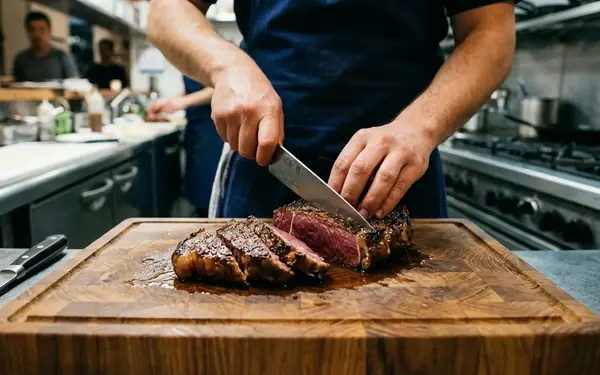
The first 120-gram cut of roast beef reached the table at 7:48. Because bread had not filled the intervening minutes, the diner met the slice in order: browned crust first, juice through the center, then the sustained richness of A5 wagyu. Each sensation held its own place instead of collapsing into generalized heaviness.
After the final course, the diner stepped toward the water and stood for several minutes rather than rushing to the station. The air had cooled, the river carried the reflected lights in broken lines, and the warmth of the roast still lingered. At the curb, a taxi passed without being hailed; the diner turned once more toward the water, then walked on.