
The Thermal Reality of High-Grade Marbling
Japan's highest beef grade certifies extreme intramuscular fat. The marbling is the cut itself. It defines the physical structure of the meat, weaving through the muscle fibers in delicate, pearlescent webs. Understanding when intramuscular fat liquefies in A5 beef changes how a kitchen approaches the fire. This fat is highly sensitive to temperature changes.
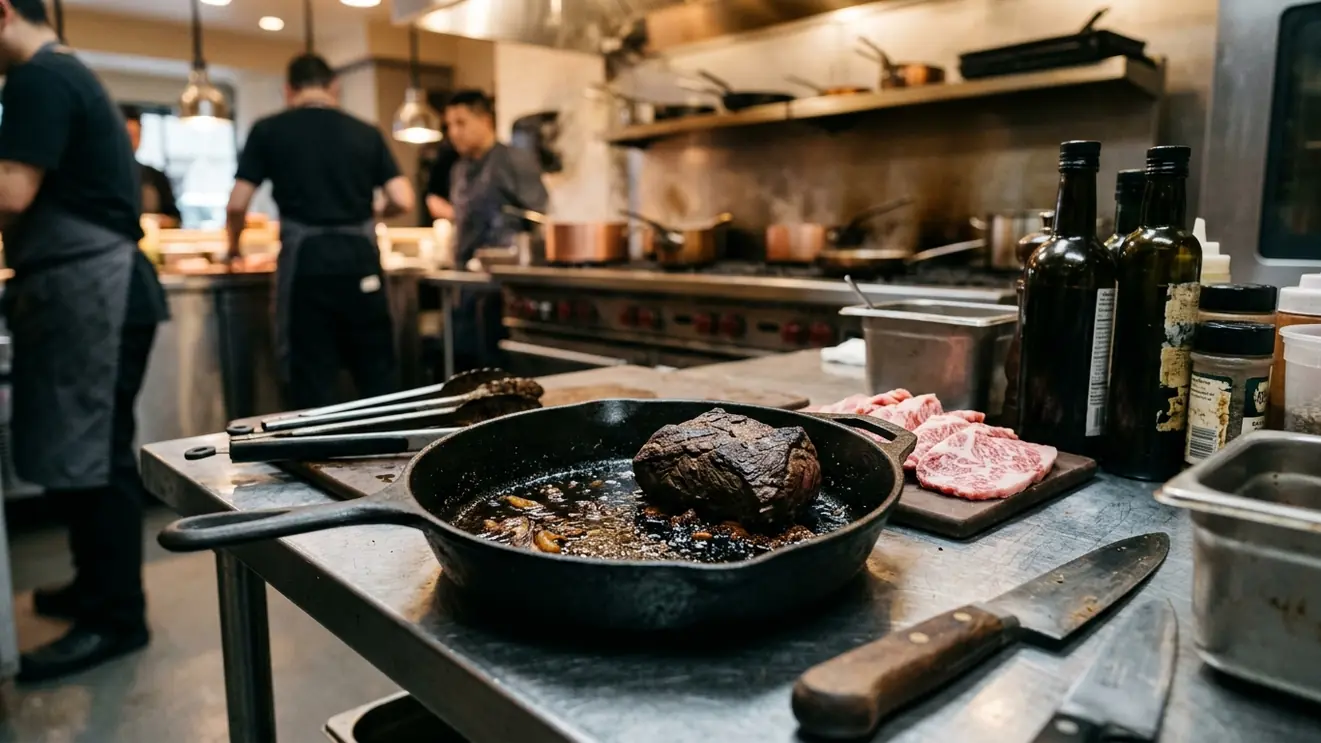
A5 fat begins to liquefy at approximately 24°C to 25°C, far below the 260°C to 285°C surface temperature of a commercial steakhouse pan. At room temperature, the fat already starts to slacken and soften. Placing this delicate architecture into a ripping hot cast-iron skillet initiates a violent thermal reaction. The exterior muscle fibers contract instantly, while the fat immediately turns to liquid.
The tension of the piece is strictly culinary. Every extra minute of inferno trades the signature marbling for a crust the beef simply did not need. The intense heat forces the liquefied fat out of the muscle matrix before the center of the cut even begins to warm. Diners pay a premium for that specific fat structure, yet standard high-heat cooking methods actively destroy it.
The Cost of a Cast-Iron Crust
A steakhouse sear is built to scorch the exterior while the center catches up. This method relies on a thick, lean piece of meat that can withstand prolonged exposure to extreme temperatures. A standard cast-iron sear requires something like 3.5 to 4.5 minutes per side to develop a Maillard crust. During that specific window, more or less the outer 6 to 8 millimeters of A5 muscle can lose its intramuscular fat structure entirely.
The richness diners taste on the board often consists of fat that should have stayed inside the slice. It pools into a greasy puddle around a drier roast. The muscle fibers, stripped of their internal lubrication, become tough and stringy. The Maillard crust still forms on the surface.
That crust forms on a cut that is actively emptying itself. Smoke and char replace the clean, buttery finish A5 is graded for. The intense heat carbonizes the surface proteins, masking the subtle, sweet notes of the wagyu fat. The resulting flavor profile leans heavily into bitter, burnt iron rather than the delicate richness inherent to the raw product.
Muscle Memory in the Tokyo Kitchen
Classic steakhouse heat was trained on leaner cattle. Those cuts require aggressive browning to develop complex flavors and taste like a proper steak. Tokyo diners often order 'steak' by default, expecting the familiar sizzle and dark crust. Kitchens answer with the same cast-iron ritual they use on strip and sirloin.
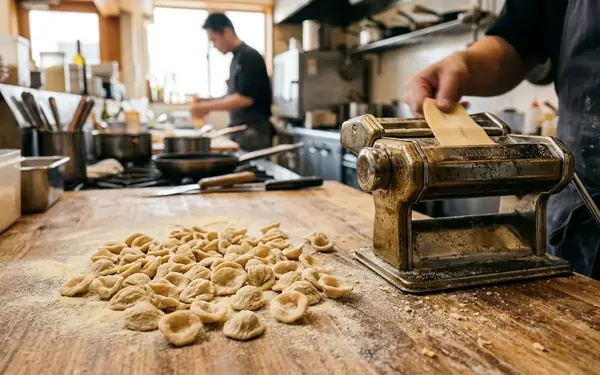
The mismatch stems from cultural technique. The tool is entirely wrong for the fat architecture of the grade. Chefs rely on muscle memory built during the high-volume rush of pasta & lunches, where speed and high heat dictate the rhythm of the line. Applying that same rapid-fire technique to a highly marbled wagyu cut yields suboptimal results.
The critique of high-heat searing targets high-marbling A5 cuts specifically. Leaner wagyu grades or traditional Italian beef cuts absolutely benefit from aggressive browning. Those leaner muscles need the Maillard reaction to build savory depth. A5 wagyu already possesses immense flavor complexity within its fat, requiring a gentler hand to unlock it.
The Trattoria Approach to Gentle Rendering
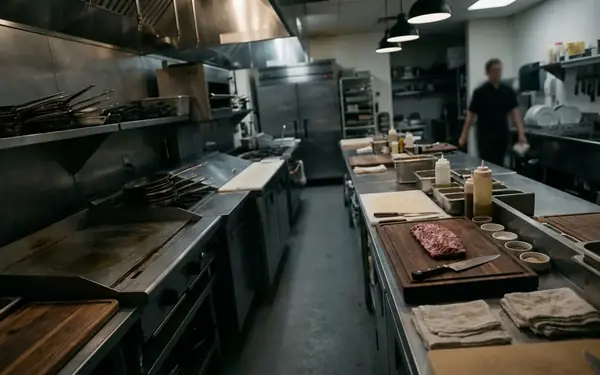
Italian roast-beef tradition uses lower, longer heat. This allows the fat to baste the muscle from within instead of flooding the pan. The kitchen at the Iidabashi location specializes in roast beef and A5 wagyu, treating the premium cuts with the same reverence afforded to a classic bollito. The meat is sliced thin, honoring the texture of the fat.
Reviewing the kitchen's early recipe development logs reveals the trial and error behind the current method. When developing the roast beef program, the kitchen initially tested a reverse-sear method to build a crust before resting. However, they found that even a brief 60-second finishing sear caused the delicate A5 fat to pool in the pan. The team discarded the searing step entirely.
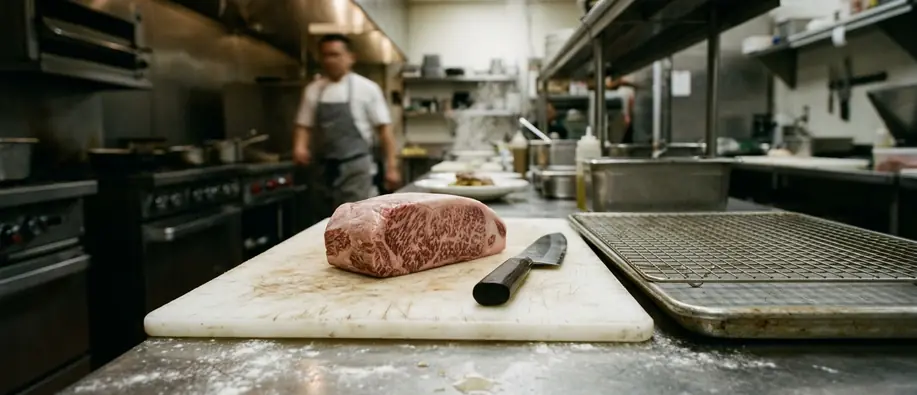
They opted instead for a continuous oven roasting at 110°C to 120°C for a duration of 45 to 55 minutes. Those low-temperature roasting parameters transformed the final dish. Gentle rendering keeps the pearlescent marbling intact within the slice. The fat turns glossy and spoon-soft rather than scorched, melting evenly across the palate.
Side-by-Side on the Cutting Board
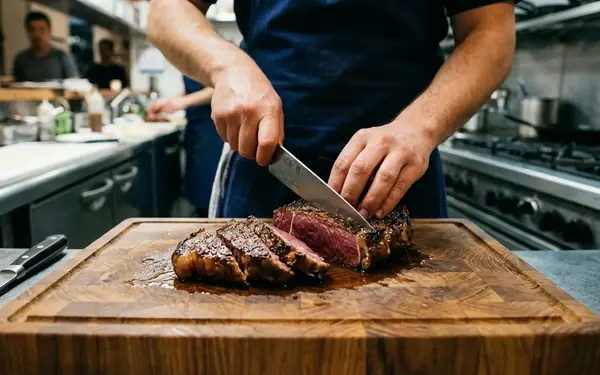
Placing a seared A5 ribeye next to a slow-roasted cut highlights the stark physical differences. On the seared plate, you find a dark, hard crust and a distinct ring of liquid fat pooling on the board. The center tastes expensive, yet it feels thinner and less substantial than the raw grade promised. The aggressive heat forces a significant volume of moisture and fat out of the muscle.
A high-heat sear can result in somewhere around a 15 to 18 percent reduction in total cut weight purely from liquefied fat runoff on the cutting board. That lost weight represents the exact flavor and texture diners seek when ordering premium wagyu. The slow-roasted plate presents a completely different reality.
The roasted slices feature an even pink hue from edge to edge. The fat remains webbed through the muscle, glistening under the dining room lights. The juices cling to the meat. Flavor comparison remains a highly practical exercise. Rendered A5 tastes clean and profoundly beefy. Blasted A5 tastes predominantly of burnt fat and hot iron.
Navigating the Menu for Optimal Texture
Securing the best possible texture requires clear communication with the kitchen. Ask the server how the A5 will be prepared before finalizing the order. Inquire whether the cut will be blasted on iron or roasted low enough for the fat to render in place. Use language the kitchen immediately understands.
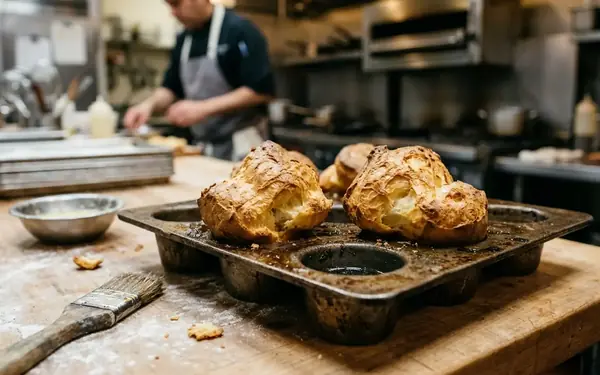
Request a slow roast or sliced roast beef. Avoid asking for a medium-rare steak with a hard sear. While various sister restaurants might default to the cast-iron method, a dedicated meat-centric trattoria will recognize the request for a gentle roast. The technique mirrors the care taken with the beloved popover tradition, where precise temperature control dictates the final structure.
Preserving the Signature Texture
A proper slow-roasted A5 requires a resting period of 12 to 15 minutes in a warm ambient environment of roughly 45°C to allow the rendered fat to stabilize back into the muscle fibers before slicing. If cooking at home, skip the ripping-hot pan entirely. Use a moderate oven and respect the resting period to ensure the fat settles correctly.
Specify the Roast on Your Next Visit
Order the A5 wagyu exclusively as a slow roast. Instruct the kitchen to bypass the cast-iron sear entirely and utilize a low-temperature oven method. Directing the chef to slice the roast at a precise 4 to 5 millimeter thickness ensures the rendered fat is distributed evenly across the palate without overwhelming the diner. Walk into the dining room with this single instruction, communicate it clearly to the server, and let the intact marbling deliver the exact flavor profile the grade guarantees.