A Warm A5 Slice, With the Salt Still Waiting
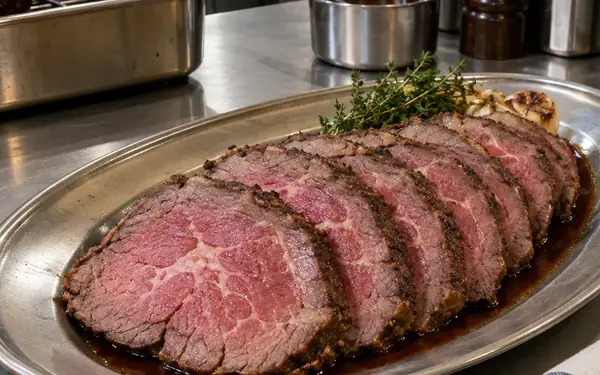
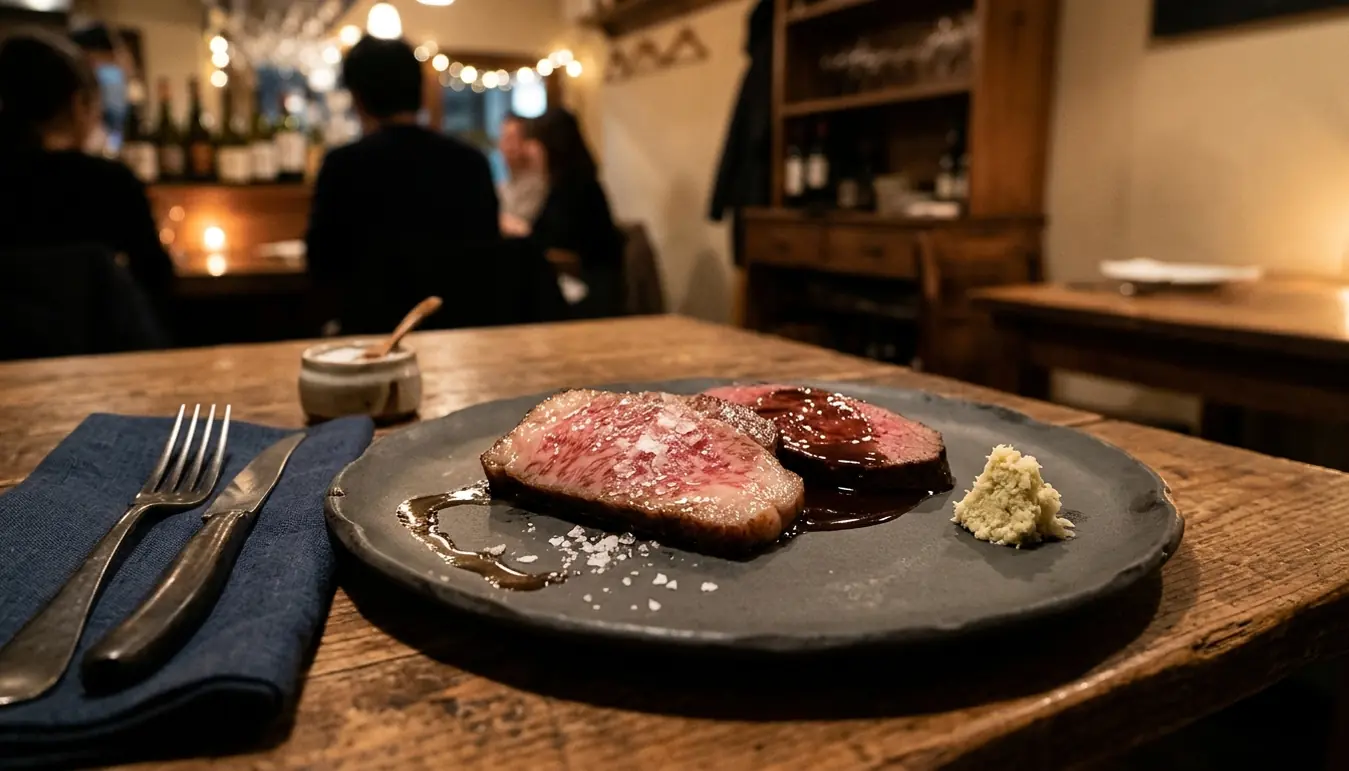
A thick slice of A5 Wagyu sits warm on porcelain, its intramuscular fat glossy against the seared edge. Beside it lies a thinner slice of lean roast beef. A salt cellar, freshly grated Japanese horseradish and a spoon of dark Italian reduction wait within reach. The plate looks ready; the consequential decision still belongs to the diner.
I start with the exposed cut face: how much fat shows, whether the surface glistens, and where the crust needs seasoning. That small pause matters at a meat-centric Tokyo trattoria table. A heavy spoonful can make rich Wagyu feel cloying, while the same restrained seasoning that suits A5 can leave lean beef tasting dry and slight.
For readers exploring Gran Bocca’s signature meats and its place in Tokyo Italian dining, this is a useful way to judge the whole plate. The finish should help you taste the distinction between cuts. A shared condiment tray makes that distinction easy to overlook.
Six finishes deserve separate jobs: large-flake sea salt, moist fine sea salt, lightly smoked sea salt, fresh Japanese horseradish, thin red-wine reduction and a deeper roasted-bone jus. Keep them separate at first. Let the beef decide which one reaches your fork.
Let the Fat Coat Decide the Next Bite
A5 brings its own richness; lean roast needs help carrying flavor. That difference should govern the seasoning before habit enters the conversation.
The fat threaded through A5 supplies moisture, aroma and a lingering coating on the palate. A finish can sharpen that richness or add a distinct point of salt. Cover the surface with a dense sauce, however, and the roast’s own texture becomes harder to follow. The useful question after a bite is simple: does the fat still sit heavily on your tongue?
If it does, try a little fresh horseradish or touch the next piece to a bead of thin wine reduction. Large salt flakes provide another route, giving the warm surface brief, concentrated seasoning as the crystals break.
Lean rump or round presents a different problem. Its cut face dries more readily, and it carries less fat to spread seasoning through the mouth. Moist fine salt adheres to that surface; a deeper jus supplies the body and moisture the slice needs. A sharp condiment alone can leave the bite feeling even more austere.
These pairings belong to warm roast service; for cold tataki or carpaccio, choose liquid citrus-soy acidity rather than carrying over the coarse-flake and reduced-wine treatment. At the warm plate, keep watching the same two signals: a lingering fat coat or a dry finish.
Give Each Sea Salt Its Own Side of the Plate
The familiar approach is to choose a favorite salt and scatter it across everything. A mixed roast plate rewards a more deliberate division. Crystal shape and moisture determine where the seasoning stays and how it meets the beef.
Large Flakes for the Glossy A5 Surface
Large-flake sea salt suits warm A5 because the crystals can remain distinct long enough to crack under the tooth. Scatter them over the meat while the crust is still warm, keeping the pinch loose rather than crushing it between your fingers. The payoff is textural: soft fat, roast crust, then a small fracture of salt.
A few well-placed flakes leave room for the beef’s own flavor. A dense white covering makes every mouthful follow the same salty rhythm.
Moist Crystals for Lean Roast Fibers
Damp, fine sea salt grips a drier lean surface more readily than broad flakes, which can slide onto the plate. Distribute a small pinch along the cut face rather than leaving a concentrated patch in the middle. Follow with jus where the meat needs moisture.
This division also keeps fine salt away from the warm Wagyu fat, where it dissolves readily and loses the distinct crunch that makes flake salt useful.
A Restrained Smoky Accent for Lean Beef
Lightly smoked sea salt belongs on a small portion of the lean roast. Treat it as an alternative seasoning for that bite, rather than another layer over an already salted slice. Its aroma can give mild beef a stronger roast character. On A5, smoke piles onto the lingering fat and obscures the meat.
Keep Sweet Glaze and Heavy Smoke Off the Marbling
A dark balsamic glaze looks persuasive against pale Wagyu fat. Its sweetness can also push a savory slice toward a candied, cloying bite. The visual polish arrives immediately; the cost becomes clear as you chew and the sweet coating lingers over the roast aroma.

Reserve the A5 surface for finishes that leave its marbling legible. Thin wine reduction gives you a sharper, more controlled accent than a blanket of sweet glaze. Place it beside the slice so you can choose how much reaches each mouthful.
The same restraint applies to prepared wasabi paste. Tube paste can bring a duller aroma and a harsh finish, particularly when its oily texture overlaps with beef fat. Freshly grated Japanese horseradish offers a cleaner aromatic accent. Grate it close to eating and keep the mound separate.
Avoid assembling every strong finish on the same bite. Smoked salt, deep reduction and horseradish each demand attention. Stacked on A5, they turn a carefully carved roast into a vehicle for condiments.
Leave a section of the slice seasoned with salt alone. That gives you a clear reference before you introduce root heat or wine acidity.
Fresh Horseradish, Wine Beads and Jus Serve Different Cuts
These three finishes offer the widest range of texture on the tray: a fine aromatic paste, a thin acidic reduction and a deeper sauce with body. Each earns its place through a different part of the bite.
Grate the Horseradish Beside the A5
Use a fine grater and work the fresh Japanese horseradish in tight circles to produce a delicate paste. Grate it at the table, close to the moment you plan to eat, because its pungency fades after exposure to air. Set a small mound on the plate rim.
Pick up a little with the edge of a piece of A5. Keeping the root separate lets its heat arrive distinctly instead of disappearing into the glossy surface. Use a lighter touch with lean beef, where the same amount of pungency can dominate a less richly cushioned bite.
Keep the Wine Reduction Thin Enough to Portion
A thin Italian red-wine reduction suits A5 when it holds small, separate beads on a warm plate. Reduce it gently and check its behavior on the plate rather than judging only its darkness in the pan. Spoon it at the edge of the meat.
You want access to acidity without soaking the crust. Draw a cut piece through a bead just before eating, leaving the rest of the slice untouched.
Let Roasted-Bone Jus Coat the Lean Slice
A deeper roasted-bone jus belongs with the lean roast. Reduce it until it coats the back of a spoon, then apply a narrow spoonful across the cut face. Its body helps keep the slice lubricated as you eat.
A5 already supplies that richness through its fat. Give the jus to the cut that benefits from it, and keep the Wagyu’s surface visible.
Finish an A5 Slice and a Lean Slice Side by Side
Set out the six finishes in separate vessels, with the fresh horseradish ready to grate. Use one warm plate for the two cuts so you can compare their responses while you eat.
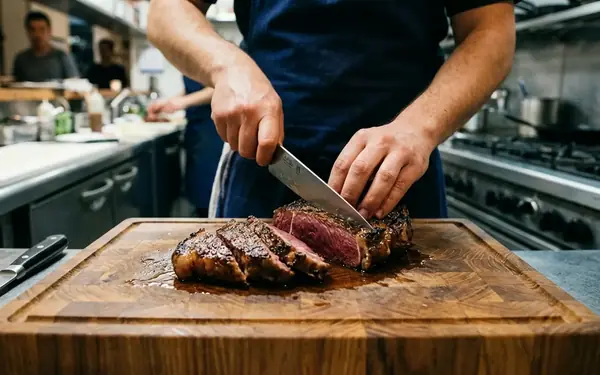
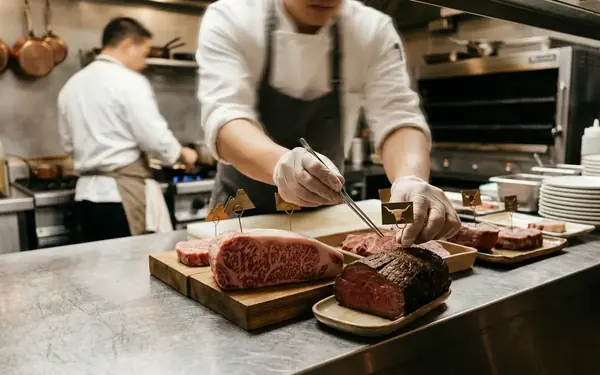
- Rest, then carve. Let both roasts rest until their surfaces feel warm rather than release hard steam. Carve a thicker A5 slice and a thinner lean-roast slice. Set them beside each other with enough space to keep their sauces separate.
- Season the A5 with large flakes. Scatter the crystals from above with a loose pinch. Keep them intact and spread them across the slice rather than gathering them in one salty corner.
- Place the sharp accents alongside. Grate a small mound of Japanese horseradish onto the rim near the A5. Spoon a few discrete beads of thin red-wine reduction beside its edge. Leave the glossy fat and seared crust exposed.
- Give the lean roast moisture. Apply a small pinch of moist fine sea salt across its cut face. Spoon the deeper roasted-bone jus in a narrow ribbon over the meat, coating the surface without filling the plate.
- Reserve a lean bite for smoke. Leave a small end of the lean slice free of the moist salt. Season that portion with a restrained pinch of lightly smoked sea salt, then touch it to the jus.
- Eat through the contrast. Start with a salt-only piece of A5. Take the next with a little fresh horseradish, then draw another through a bead of wine reduction. Move to the lean roast with moist salt and jus. Finish with the reserved smoky bite, carrying just enough jus to keep its cut fibers supple.